Questions to Ask Mechanics Before Booking Major Vehicle Repairs
Every driver recognizes that immediate, sinking feeling in the pit of their stomach. It usually starts with a sudden, unfamiliar sound—perhaps a loud grinding noise coming from under the hood, a harsh clunking when shifting gears, or a high-pitched squeal that refuses to go away. Sometimes, it is entirely silent, arriving in the form of a brightly illuminated “Check Engine” light glowing ominously on the dashboard. Whatever the initial warning sign may be, it instantly signals one undeniable reality: an expensive, time-consuming trip to the mechanic is in your near future.
The residential consumer is at a distinct disadvantage in the modern automotive industry. Vehicles have evolved from simple mechanical machines into incredibly complex, rolling computer networks. Because the average driver does not possess a deep understanding of advanced diagnostics, variable valve timing, or electronic control modules, they are inherently vulnerable. This knowledge gap often leads to anxiety over potential overcharging, the recommendation of completely unnecessary services, and endless delays when they blindly trust the first quote they receive from the nearest facility.
The solution to this power imbalance is preparation and active engagement. Taking control of the repair process through a highly structured, interview-style vetting approach is the absolute best way to protect your wallet and your primary mode of transportation. You cannot afford to simply drop off your keys and hope for the best. By asking a specific set of rigorous questions, you can quickly uncover operational red flags, verify a technician’s true technical competence, and guarantee a transparent, high-quality experience. This guide outlines the most essential inquiries you must make to separate the true professionals from the unreliable operators before you agree to a major structural or mechanical overhaul.

Verify Specialized Certifications and Training
When you approach a mechanic with a major issue, your very first objective is to verify their technical authority. A common mistake drivers make is assuming that a mechanic who can fix a 1990s pickup truck possesses the required skill set to diagnose and repair a 2024 luxury sedan. The technological leap in the last two decades is staggering. Therefore, the core question you must lead with is: “Are your technicians currently ASE-certified, and do they have specific training for my vehicle’s make and powertrain?”
The ASE (Automotive Service Excellence) certification is the gold standard in the industry, proving that a mechanic has passed rigorous, standardized testing in specific areas like engine repair, electrical systems, or suspension. However, general certification is only the baseline. Modern vehicles require highly specialized knowledge. If you own a European vehicle, for instance, you need a facility that specializes in import auto repair, because brands like BMW, Audi, and Mercedes-Benz utilize unique metric tools, proprietary software, and entirely different engineering philosophies than domestic brands. Furthermore, if you drive an electric or electrified vehicle, you must ensure the facility offers dedicated hybrid auto service handled by trained professionals. The high-voltage battery systems in these vehicles can carry hundreds of volts; a technician without the proper safety training and insulated tools risks catastrophic vehicle damage or fatal electrocution if they mishandle the drivetrain components.
To properly evaluate a mechanic’s qualifications, keep these actionable tips in mind during your conversation:
-
Look for the blue and white ASE seal displayed prominently in the facility’s waiting area, and ask specifically which certifications the mechanic assigned to your car currently holds.
-
Inquire deeply about their diagnostic equipment. Ask if they use expensive, manufacturer-specific software interfaces or if they are just relying on generic, entry-level code readers to diagnose complex module failures.
-
Verify if the management requires mandatory continuing education. Automotive technology changes rapidly, and a mechanic whose training stopped ten years ago will struggle to fix a modern, sensor-heavy vehicle.
-
Ask if the shop subscribes to professional repair databases like Alldata or Mitchell 1, which provide factory-correct wiring diagrams and technical service bulletins directly from the manufacturer.

Clarify the Scope of Diagnostic Fees and Estimates
Once you have verified the mechanic’s credentials, you must establish strict financial parameters regarding the diagnosis itself. It is a harsh reality that figuring out what is wrong with a modern car often takes more time than actually replacing the broken part. However, diagnostic billing practices vary wildly across the industry. The critical question to ask is: “How exactly do you calculate diagnostic fees, and will that cost be applied to the final repair bill if I approve the work?”
This question protects you from open-ended hourly billing just to discover the root of the problem. Many consumers mistakenly believe that diagnosing a car simply involves plugging a scanner into a port under the dashboard and reading a screen. In reality, a code only tells the mechanic which system is malfunctioning, not why. Tracking down a frayed wire or a vacuum leak can take hours of manual labor. A reputable auto repair shop will clearly explain their diagnostic fee structure upfront, usually charging one hour of labor for initial testing. Some facilities will waive or credit this diagnostic fee toward the final invoice if you choose to hire them for the full job, making it a crucial detail to clarify before handing over your keys.
To ensure complete transparency regarding the money you will spend, take these specific actions when discussing fees:
-
Demand a highly detailed, written estimate that clearly separates and itemizes the cost of parts, the cost of labor, local taxes, and any environmental disposal fees for hazardous fluids.
-
Ask for a strict “tear-down” estimate cap. If the engine or transmission needs to be physically opened to locate the internal damage, authorize a maximum number of labor hours. Require them to call you for further verbal and written approval before exceeding that cap.
-
Clarify the distinct difference between an estimate and a quote. An estimate is a professionally educated guess that can fluctuate as things are taken apart, while a quote is a firm, guaranteed price regardless of the difficulties the mechanic encounters.
-
Confirm that comprehensive automotive services are provided, such as sending a detailed digital inspection report directly to your smartphone. These modern reports should include high-resolution photos and videos of the damaged components, proving the necessity of the suggested work.
Evaluate Parts Sourcing and Warranty Policies
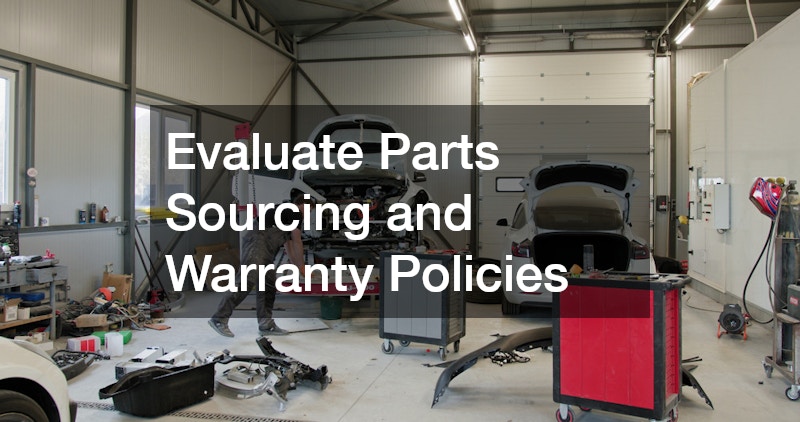
With the diagnosis complete and the cost outlined, the conversation must transition to the physical components being installed in your vehicle. The quality of the replacement parts directly dictates the longevity, safety, and reliability of the repair. The question you must ask without hesitation is: “Do you plan to use OEM or aftermarket parts for this repair, and what is your exact warranty on both parts and labor?”
The automotive parts supply chain is vast and features multiple tiers of quality. Original Equipment Manufacturer (OEM) parts are built by the same company that built the parts your car rolled off the assembly line with. They are generally more expensive but offer guaranteed fitment and longevity. Aftermarket parts range widely from high-quality components that exceed factory specs to cheaply manufactured “white box” parts that fail prematurely. Using substandard parts is particularly dangerous when dealing with safety-critical systems. For example, if you are scheduling comprehensive car brake repairs, allowing a shop to use the cheapest available friction materials and ultra-thin rotors can drastically increase your vehicle’s stopping distance, putting you and your passengers in immediate physical danger. Similarly, taking shortcuts with structural components like auto glass repair by using non-OEM adhesives or cheap windshields can compromise the structural integrity of the vehicle’s roof, making it far more likely to collapse in the event of a rollover accident.
To ensure your vehicle is repaired with longevity and safety in mind, enforce these parts and warranty standards:
-
Request OEM parts for all critical engine sensors, timing chain components, and internal transmission components, as these systems are highly sensitive to voltage variances and manufacturing tolerances.
-
Demand a comprehensive, written warranty that explicitly covers both parts and labor for a minimum of 12 months or 12,000 miles, whichever comes first.
-
Avoid the “parts-only” warranty trap. If a shop only warranties the part, and that cheap alternator fails three months later, you will receive a free alternator but will be forced to pay the mechanic’s hourly labor rate all over again to have it installed.
-
Ask if the shop’s warranty is backed by a nationwide network. This is a crucial safety net if the newly repaired component fails while you are on a road trip several states away from your local mechanic.
Set Firm Boundaries on Unauthorized Work
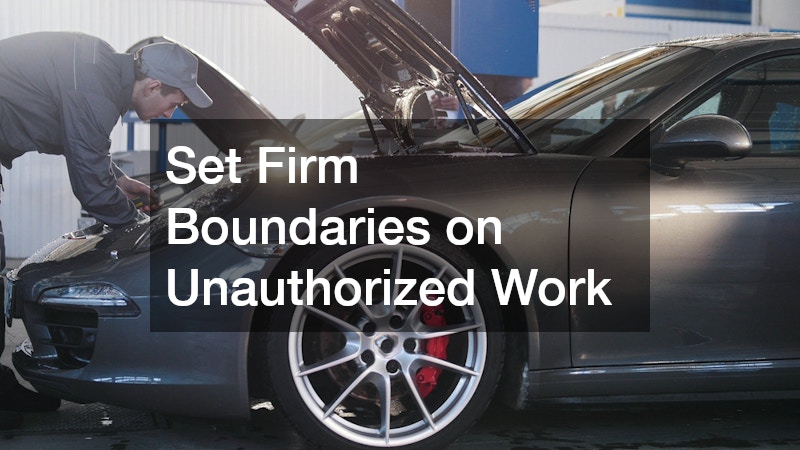
Even with a detailed estimate and a clear parts strategy, the physical realities of repairing complex machinery mean that surprises are almost inevitable. Rusted bolts snap off, old plastic connectors shatter, and removing one engine component often reveals a hidden, previously inaccessible problem behind it. The most common dispute between mechanics and vehicle owners arises from how these surprises are handled. Therefore, you must firmly ask: “What is your exact protocol if you discover unexpected issues or broken components once the vehicle is apart?”
You are asking this to protect yourself from the industry’s most notorious pitfall: the unauthorized up-sell. In worst-case scenarios, a shop will perform extra, unapproved work while the car is disassembled on the lift, then hand the owner an incredibly inflated invoice at pickup, essentially holding the vehicle hostage until the new balance is paid. Protecting yourself from this scenario requires setting rigid, uncompromising boundaries before the first wrench is turned. For example, uncovering hidden frame rust or concealed structural damage is a daily occurrence for an auto body shop, making strict, documented change-order protocols absolutely essential to prevent the final bill from spiraling out of control. Even a cosmetic procedure like basic auto dent repair could unexpectedly reveal cracked layers of underlying paint or structural weakness in the panel that requires immediate consultation with the vehicle owner before more expensive labor is performed.
To maintain total financial control over the repair process, implement these non-negotiable boundaries:
-
Write a specific directive directly on the physical repair order before you sign it. A phrase like “Do not exceed estimated price without verbal and written approval from the owner” provides a clear legal boundary.
-
Request that all old, replaced parts be saved and placed in the trunk or cargo area of your vehicle. This long-standing consumer protection tactic forces the shop to prove that the parts were actually swapped out and not just cleaned and left in the engine bay.
-
Build a personal financial buffer of 10% to 15% into your overall repair budget. This ensures that if a legitimate secondary issue arises—such as a degraded gasket that couldn’t be seen until the intake manifold was removed—you are prepared to handle it without halting the repair process.
-
Ask for photographic evidence of any newly discovered damage before authorizing the additional repair. A trustworthy technician will gladly text or email you a picture of the snapped bolt or leaking seal to justify the extra cost.
Inspect the Facility and Review Timeframes
The final phase of vetting a mechanic involves the logistics of the repair and the physical environment where your expensive asset will be kept. Being without a primary vehicle drastically disrupts your ability to commute to work, manage family obligations, and run daily errands. You cannot afford to have your car sitting untouched in a lot for weeks on end. The crucial question to finalize the arrangement is: “What is the guaranteed timeline for this repair, and where exactly will my vehicle be stored overnight?”
This inquiry addresses both efficiency and security. Global supply chain issues can delay specialized car parts for days or even weeks. You need a firm commitment on a timeline and a clear understanding of how parts delays will be communicated to you. Furthermore, vehicle theft, particularly the theft of expensive catalytic converters, is rampant in unsecured mechanic lots. You need an absolute guarantee that your vehicle will not be left unlocked in a dark, unsecured alleyway over the weekend. The physical condition of the shop itself is also a major indicator of quality. A disorganized, filthy shop often reflects a disorganized, careless approach to automotive maintenance. Specialized services that take days to properly cure, such as extensive auto painting, require the vehicle to be stored in a highly climate-controlled, dust-free indoor environment to prevent contamination of the clear coat. Even seemingly simple, same-day cosmetic upgrades like auto window tinting services require remarkably clean facility conditions; a dirty shop with poor ventilation will inevitably trap dust, hair, and airborne debris under the expensive film, ruining the final aesthetic result.
To ensure your vehicle is repaired promptly and stored securely, evaluate the shop’s logistics with these criteria:
-
Secure a realistic, written completion date on the estimate. Ask the service advisor explicitly how and when they will contact you if a part is suddenly placed on national backorder.
-
Physically inspect the exterior premises. Check if the facility has secure, indoor overnight parking bays or, at the very least, a heavily monitored, brightly lit, fenced-in lot equipped with active security cameras.
-
Inquire about alternative transportation options. Ask if the shop provides complimentary loaner vehicles, offers a free local shuttle service to your home or office, or has established partnerships with local rental agencies to provide you with heavily discounted daily rates.
-
Take note of the cleanliness of the customer waiting area, the organization of the service bays, and the general professionalism of the staff. A well-managed, tidy facility is almost always indicative of a management team that cares about details, safety, and customer satisfaction.
Conclusion
Handing over the keys to your primary mode of transportation for a major structural or mechanical overhaul should never be a blind leap of faith. It requires diligent preparation, a refusal to be intimidated by industry jargon, and an absolute insistence on clear, documented communication. You are authorizing a significant financial transaction, and you have every right to expect transparency, competence, and respect in return.
Remember that a genuinely trustworthy, highly skilled mechanic will actively welcome these detailed questions. They are proud of their certifications, confident in their diagnostic processes, and eager to explain the quality of the parts they use. Conversely, a professional who becomes visibly defensive, evasive, or irritated when asked about warranties, overnight storage, or written estimates is actively showing you that they do not deserve your hard-earned business.
Do not allow the stress of a broken vehicle to force you into a rushed, poorly informed decision. Take the time to save these questions on your smartphone, bring them with you to the service counter, and advocate for yourself fiercely. By taking a methodical, interview-style approach to hiring a mechanic, you can confidently navigate the repair process, protect your financial well-being, and ensure that your vehicle is returned to you safely and reliably for years to come.