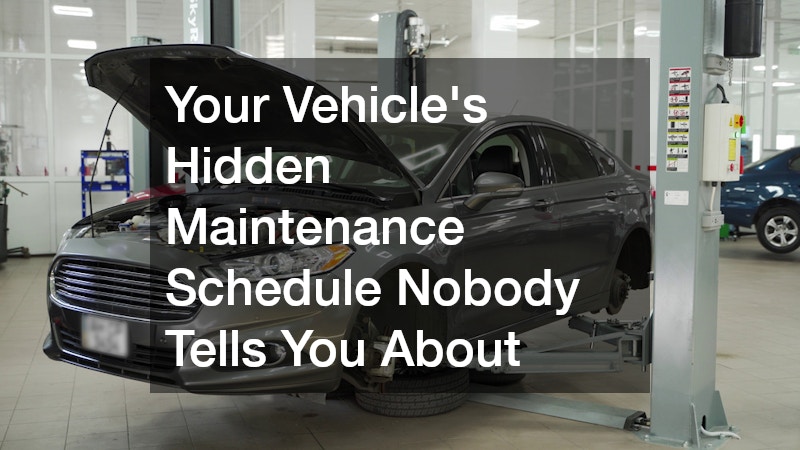
Your Vehicle’s Hidden Maintenance Schedule Nobody Tells You About

Most drivers know to change their oil every few months, but few realize their vehicle has dozens of other maintenance milestones quietly ticking away in the background. These overlooked tasks rarely show up on a dealership reminder sticker, yet ignoring them can lead to breakdowns, safety hazards, or repairs costing thousands more than prevention would have.
This guide uncovers the maintenance checkpoints that often go unmentioned until something fails, so you can stay ahead of problems instead of reacting to them. Whether you drive a daily commuter, a diesel truck, or an RV, understanding these hidden schedules can save you real money and stress.
Windshield and Window Seal Inspections
Your windshield does more than block wind and bugs; it’s a structural component that helps your roof resist crushing in a rollover. Small chips that seem harmless can spread into cracks within weeks, especially with temperature swings that cause glass to expand and contract. Most manufacturers recommend inspecting seals and edges every six months, but almost nobody puts this on a calendar reminder.
If you notice fogging between layers, whistling at highway speed, or a chip larger than a quarter, it’s time to call for auto glass service before the damage spreads. Waiting too long often turns a simple repair into a full replacement, which costs significantly more and takes longer to schedule.
- Check for pitting or hazing that reduces visibility in sunlight
- Inspect rubber seals for cracking or shrinkage
- Look for moisture intrusion after heavy rain
- Address chips within days, not months
UV Protection and Interior Fading Prevention

Sun exposure does more damage to a vehicle’s interior than most people expect, breaking down dashboard plastics, upholstery, and even adhesive layers in electronics over time. This deterioration happens gradually, so owners rarely connect faded seats or a cracked dashboard to years of unmitigated UV exposure. Scheduling a protective upgrade every few years, rather than waiting until damage is visible, keeps the cabin looking newer for longer.
Many drivers only think about car tinting for privacy or style, but it also blocks a significant percentage of UV rays and reduces cabin heat buildup. This is especially valuable in regions with intense summer sun, where interior temperatures can spike high enough to warp trim pieces. Checking local window tint laws before installation ensures you stay compliant while still protecting your vehicle’s interior.
- Inspect dashboard and seats yearly for early sun damage
- Consider ceramic or UV-blocking film for maximum protection
- Reapply protective coatings on leather every one to two years
Transmission Fluid Changes Beyond the Owner’s Manual
Many owner’s manuals list transmission fluid as a lifetime fill, but mechanics generally agree this is misleading marketing rather than sound advice. Fluid breaks down under heat and stress, especially in stop-and-go traffic or towing situations, and old fluid loses its ability to protect internal components. Most transmissions actually benefit from a fluid change every 60,000 to 100,000 miles, regardless of what the manual implies.
If you tow trailers, haul heavy cargo, or drive in extreme heat, shortening that interval is a smart move. A shop specializing in auto repair can perform a fluid analysis to check for discoloration or a burnt smell, both signs that a change is overdue. Catching this early prevents the expensive alternative of a full transmission rebuild.
- Check fluid color monthly if towing regularly
- Watch for delayed or rough shifting as a warning sign
- Flush intervals shorten with heavy stop-and-go driving
Diesel Fuel System Maintenance for Heavy-Duty Trucks
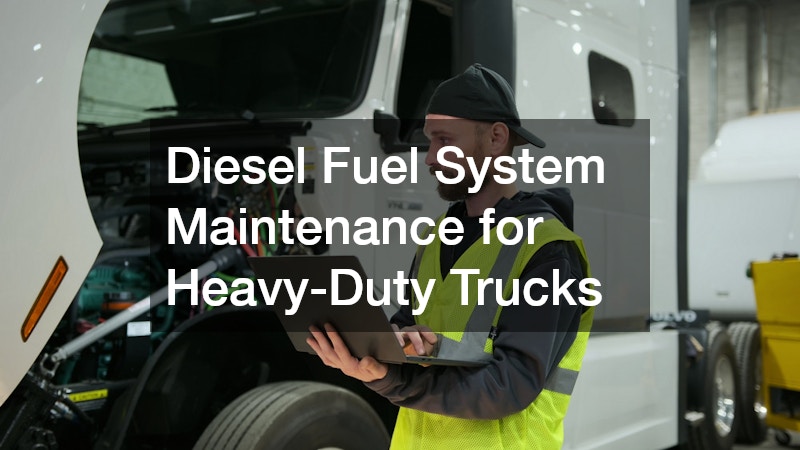
Diesel engines run on a different maintenance rhythm than gasoline vehicles, and fuel system care is one of the most neglected parts of ownership. Water contamination in diesel fuel can corrode injectors and clog filters, leading to costly repairs if left unaddressed. Fuel filters typically need replacement every 10,000 to 15,000 miles, though heavy loads or frequent idling can shorten that window considerably.
Because diesel systems operate under much higher pressures than gasoline engines, small issues escalate quickly into expensive failures. Specialists in diesel mechanics recommend regular fuel additive treatments in cold climates to prevent gelling, along with routine glow plug inspections before winter arrives. Staying ahead of these checks keeps a diesel truck reliable through heavy work seasons.
- Replace fuel filters on schedule, not just when problems appear
- Drain water separators regularly
- Use winter-blend fuel or additives in freezing climates
- Inspect glow plugs annually for cold-start reliability
Roadside Emergencies When You’re Away From Home
Breakdowns rarely happen at a convenient time or location, and knowing your options before an emergency strikes makes a stressful situation far more manageable. A dead battery, blown tire, or overheated engine on the highway calls for a safe, fast response rather than guesswork. Keeping a roadside assistance number saved in your phone, along with your vehicle’s exact make, model, and location tools, speeds up the process considerably.
For larger vehicles or accidents involving multiple cars, getting everyone off the traffic lanes and into a safe waiting spot becomes the priority, since standing near moving traffic risks further injury while help is on the way. Turning on hazard lights immediately and setting out reflective triangles if you carry them helps other drivers spot the situation early. Knowing this ahead of time means less scrambling when you’re stressed on the shoulder of a busy road.
- Save a trusted provider’s contact information before you need it
- Pack a small emergency kit with a flashlight, gloves, and reflective triangles
- Keep a physical copy of your insurance and roadside plan in the glovebox
Mobile Repair Options for Trucks and RVs Away From Home
Not every mechanical problem happens near a shop, and larger vehicles like commercial trucks or motorhomes often can’t simply be driven to the nearest garage when something goes wrong. This is where on-site service becomes valuable, since a technician can come directly to a job site, rest stop, or driveway. Fleet operators in particular rely on this option to minimize downtime and keep drivers on schedule.
Mobile truck repair services typically handle brake issues, electrical diagnostics, and even engine troubleshooting without requiring a tow to a shop. For recreational vehicle owners, RV repair often involves specialized systems like propane, plumbing, and slide-out mechanisms that not every general mechanic is equipped to handle. Researching providers who specialize in these vehicle types before a trip prevents scrambling for help mid-journey.
- Ask providers what diagnostic equipment they carry on-site
- Confirm whether they handle both mechanical and electrical systems
- For RVs, verify experience with propane and appliance systems
- Schedule pre-trip inspections before long road trips
Brake System Checks Beyond the Warning Light
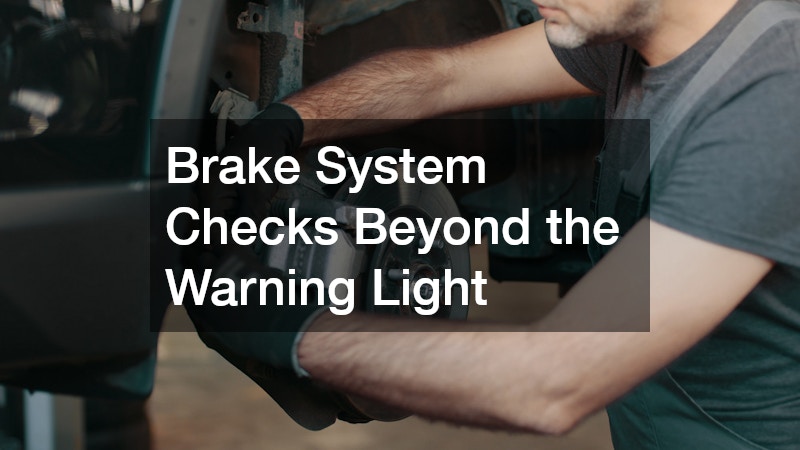
Many drivers wait for a squealing noise or a dashboard warning before thinking about brakes, but pads and rotors wear down gradually and silently long before that point. By the time a warning light appears, pads may already be down to 2mm or less—well past the point where a mechanic would recommend replacement. A quick visual check every 6,000 miles, or whenever tires are rotated, can catch uneven wear that signals a sticking caliper or misaligned pad.
Brake fluid also absorbs moisture over time, which lowers its boiling point and can lead to a spongy pedal feel under hard braking. This happens because brake fluid is hygroscopic, meaning it pulls water vapor from the air even inside a sealed system, and that moisture content can climb to 3-4% within two years of normal driving. The result isn’t just a mushy pedal; under sustained hard braking, like descending a mountain grade, moisture-laden fluid can boil and cause a dangerous loss of stopping power. Manufacturers generally recommend a brake fluid flush every two years, a detail rarely mentioned outside the service manual’s fine print.
Some technicians also suggest testing fluid moisture content directly with an inexpensive test strip or electronic tester, rather than relying on a calendar alone, since driving conditions and climate affect absorption rates. Rotors deserve their own look too—many have a minimum thickness stamped directly on the edge, and machining them down too many times eventually means replacement rather than resurfacing.
Rotors can warp from repeated heat cycles even if the pads still have plenty of life left, which is why a visual inspection matters just as much as measuring pad thickness. A pulsing brake pedal or steering wheel vibration under braking is often the first clue that a rotor has developed hot spots or uneven thickness, sometimes long before any dashboard warning appears. Skilled auto mechanics often catch these early warning signs during routine visits, like uneven pad wear patterns that hint at a sticking caliper slide pin or a collapsed brake hose. They’ll also check rotor thickness against the minimum specification stamped on the rotor itself, since resurfacing too many times eventually leaves too little metal to safely machine again.
Brake fluid deserves attention too, since it absorbs moisture over time and gradually lowers its boiling point, which can lead to a soft or spongy pedal feel during hard stops. Most manufacturers recommend flushing it every two to three years regardless of mileage, even though there’s no light on the dash to remind you. Addressing these small issues early keeps braking distances short and prevents damage to more expensive components like calipers, wheel bearings, or the ABS module, turning a modest repair now into savings on a much larger bill later.
- Have brake fluid tested for moisture content annually — fluid absorbing more than 3-4% water can lower its boiling point and lead to a spongy pedal
- Inspect rotors for grooves, warping, or thickness below the manufacturer’s minimum spec every oil change
- Check brake pad thickness visually through the wheel spokes; replace pads once they hit 3mm to avoid metal-on-metal contact
- Listen for grinding, which signals pads are already worn through and rotors may need resurfacing or replacement
- Watch for pulsation in the brake pedal or steering wheel when stopping, a sign of warped rotors
- Have calipers inspected periodically to ensure they aren’t sticking, which causes uneven pad wear and reduced fuel efficiency
Deciding When a Repair Isn’t Worth It Anymore
Every vehicle eventually reaches a point where repair costs outweigh its remaining value, but recognizing that moment isn’t always obvious. A good rule of thumb is comparing the repair estimate to the car’s current market value; if it exceeds 50 percent, replacement usually makes more financial sense. Older vehicles with rust damage, transmission failure, or repeated electrical issues often fall into this category faster than owners expect.
Rather than letting a non-running vehicle sit and lose value in the driveway, many owners find it more practical to sell it as-is. Companies offering cash for junk cars will often make a same-day offer based on the vehicle’s weight and condition, turning a dead asset into quick funds toward your next purchase. This route also spares you the hassle of trying to privately sell something that no longer runs.
- Get a written repair estimate before deciding to sell
- Compare cost of repair to actual cash value, not sentimental value
- Get quotes from more than one cash for junk cars buyer to ensure a fair price
- Remove personal belongings and plates before pickup
Financing Your Next Vehicle When Credit Is a Concern

If your current vehicle is nearing the end of its life and traditional financing feels out of reach, it helps to know alternative paths exist before panic sets in. Dealers offering buy here pay here used cars structure financing directly through the lot itself, which can be useful for buyers with limited or damaged credit history. These arrangements often come with different terms than a traditional bank loan, so reading the contract closely matters.
Interest rates on these arrangements tend to run higher than conventional loans, reflecting the added risk the dealer takes on. Making a larger down payment can help offset that cost and shorten the loan term considerably. Comparing a few lots and asking about total repayment cost, not just the monthly payment, helps you avoid an unfavorable deal.
- Ask for the total repayment amount, not just monthly figures
- Check whether payments are reported to credit bureaus
- Get any warranty promises in writing before signing
Conclusion
Staying ahead of your vehicle’s real maintenance needs means looking past the sticker in your windshield and understanding the fuller picture of what keeps a car, truck, or RV running safely. Small, consistent checks on glass, fluids, brakes, and fuel systems prevent the kind of expensive surprises that catch most drivers off guard. Start by picking one overlooked item from this list and scheduling it this month, then build the rest into your routine over time. A little proactive attention now can add years of reliable service to any vehicle you depend on.