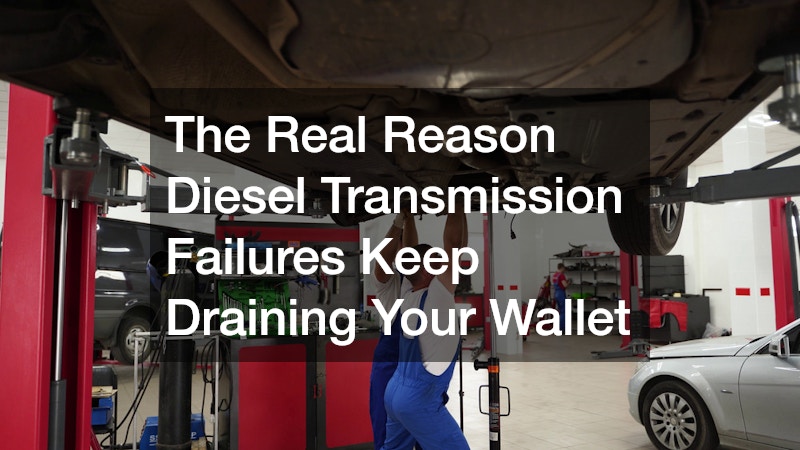
The Real Reason Diesel Transmission Failures Keep Draining Your Wallet

Diesel truck owners know the sinking feeling of watching a transmission warning light flicker on, because it almost never means a quick fix. Between towing heavy loads, hauling equipment, and putting on thousands of highway miles, diesel transmissions take a beating that gas engine drivetrains rarely see. Understanding why these repairs cost so much, and what actually causes them, can help you catch problems early and avoid the worst bills. This guide breaks down the real reasons your diesel transmission keeps failing and what you can do about it before your wallet takes another hit.
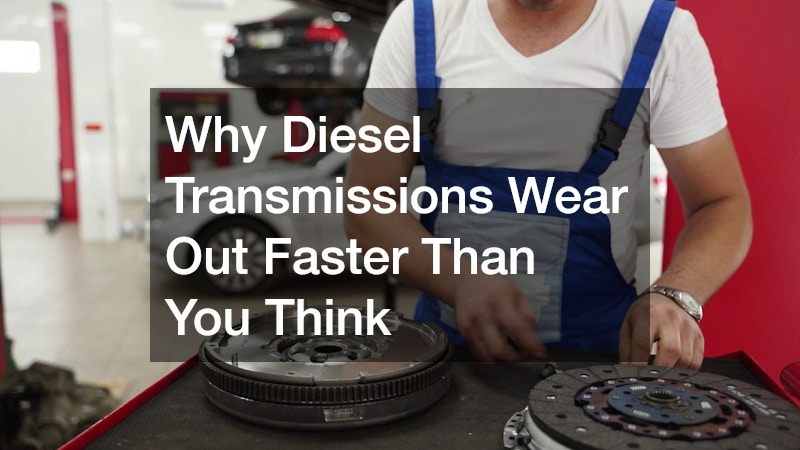
Why Diesel Transmissions Wear Out Faster Than You Think
Diesel engines produce far more torque than gasoline engines, and that extra twisting force puts constant strain on transmission components like clutch packs, torque converters, and gear sets. Over time, this stress accelerates wear in ways that many owners do not anticipate when they buy a diesel truck for towing capability. The heavier the typical workload, the faster these components degrade, especially if the truck is used commercially or for frequent trailer hauling.
Heat is the other major culprit. Diesel transmissions run hotter under load, and repeated heat cycles break down fluid quality and internal seals much faster than normal driving conditions would suggest. This is why so many failures happen suddenly, even when a truck seemed to be running fine the week before.
The Hidden Cost of Delaying Diesel Transmission Repair
Putting off a diagnosis when you notice slipping gears, delayed shifting, or unusual noises almost always turns a moderate repair into a major one. Small issues like a failing solenoid or worn seal can be resolved relatively cheaply, but ignoring them lets metal shavings and contaminated fluid circulate through the entire system. Once that happens, diesel transmission repair costs can jump from a few hundred dollars to several thousand, because internal components suffer secondary damage that requires a full rebuild or replacement.
Many owners also underestimate how quickly a minor warning sign can escalate on the road. A transmission that hesitates in the driveway can fail completely on the highway, leaving you stranded and facing an emergency repair bill on top of the original problem.
- Grinding or shaking during gear shifts
- Delayed engagement when shifting into drive or reverse
- Burning smell coming from under the hood
- Fluid leaks with a reddish or brownish tint
- Dashboard warning lights related to the transmission or drivetrain
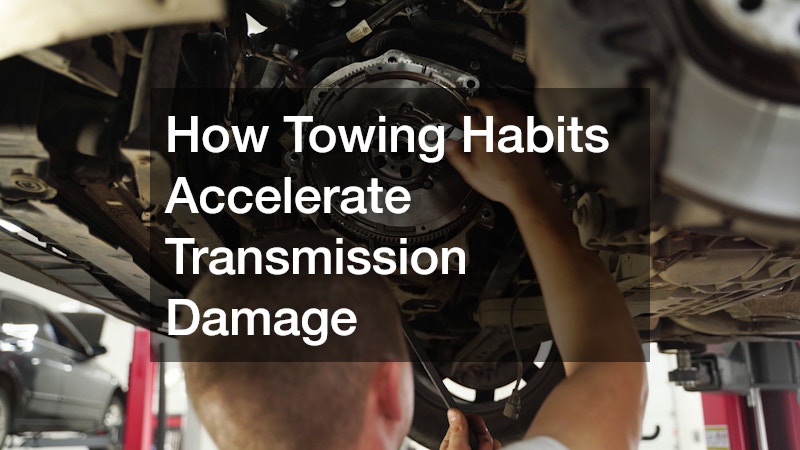
How Towing Habits Accelerate Transmission Damage
The way you tow matters just as much as what you tow. Riding the clutch, towing in the wrong gear, or exceeding your truck’s rated capacity all place extra stress on internal components that were never designed to handle that kind of abuse repeatedly. Even well-built diesel transmissions have limits, and pushing past them consistently shortens their lifespan dramatically.
Proper equipment also plays a bigger role than most people realize. A poorly matched tow hitch can create uneven weight distribution, which forces the transmission and drivetrain to compensate in ways that increase wear over time. Choosing the correct hitch class and ensuring it is installed correctly can meaningfully reduce strain on your truck’s internal systems.
What Happens When You Get Stranded With a Failed Transmission
A transmission failure rarely happens at a convenient time or location, which is why knowing your options beforehand matters. If your truck stops shifting or gets stuck in gear on the road, you will likely need professional recovery to avoid causing further damage by continuing to drive. This is where tow trucks become essential, since attempting a short drive to the nearest shop can turn a repairable issue into a total loss.
Larger diesel trucks and commercial rigs sometimes require specialized equipment that a standard tow truck cannot provide. In these cases, companies offering semi truck towing have the heavy-duty flatbeds and recovery tools needed to move oversized vehicles safely without adding stress to an already damaged drivetrain.
Choosing a Reliable Auto Repair Shop for Diesel Work
Not every mechanic has the specialized training or diagnostic tools needed to work on diesel transmissions properly. Choosing an auto repair shop with specific diesel experience can save you money in the long run, because technicians familiar with these systems are more likely to catch underlying issues before they cause a full failure. Ask about their diagnostic process and whether they have experience with your specific make and model.
- Certifications specific to diesel drivetrain systems
- Access to manufacturer diagnostic software
- Willingness to show you worn parts before replacing them
- Clear written estimates before work begins
- Warranty coverage on parts and labor
The Role of Quality Components in Long-Term Reliability
Not all replacement components are created equal, and this is especially true for diesel transmissions. Using OEM or high-quality aftermarket car parts instead of cheaper alternatives can significantly extend the life of a repair, since substandard parts often wear out faster under the same torque loads that caused the original failure. A knockoff clutch pack or valve body might save you $200 upfront but fail again in 15,000 miles, putting you right back where you started.
Pay close attention to critical components like torque converters, solenoids, and friction materials, since these parts endure the most heat and stress in a diesel application. Quality torque converters, for instance, are built with upgraded clutch material and tighter tolerances designed specifically for high-horsepower diesel trucks rather than generic gas-engine specs. Cheaper units often use thinner steel and lower-grade friction discs that simply can’t handle sustained towing loads or aggressive tuning.
Warranty coverage is another telling sign of part quality. Reputable manufacturers typically back their diesel transmission components with warranties of a year or more, while bargain parts often come with limited or no guarantee at all. If a supplier won’t stand behind their product, that’s a red flag worth taking seriously.
Ask your shop directly about the brands and sourcing of any parts going into your truck before agreeing to a repair. A transparent shop should be willing to show you part numbers, discuss manufacturer reputation, and explain why they chose a particular component for your specific make, model, and use case.
Cutting corners on parts to save money upfront frequently backfires, leading to repeat failures within a year or two. A rebuilt torque converter with a worn stator or a cheap aftermarket clutch pack may pass a quick inspection, but under towing loads or stop-and-go traffic, these shortcuts tend to fail again fast.
Consider the difference between an OEM-spec valve body and a bargain-bin equivalent: the former is machined to tighter tolerances that keep fluid pressure consistent, while the latter can develop leaks or erratic shifting within months. Solenoids, seals, and friction materials sourced from low-cost suppliers often use inferior heat-resistant compounds, which means they degrade faster under the extreme temperatures diesel transmissions regularly face.
A slightly higher initial investment in quality components usually costs less over the life of the vehicle than repeatedly paying for the same repair. Spending an extra $200 to $500 on premium parts during a rebuild can mean the difference between a transmission that lasts 100,000 miles and one that fails again at 20,000. Factor in labor costs for reinstallation, towing fees, and lost work time, and the “savings” from cheaper parts frequently evaporate after just one repeat failure.
Suspension and Drivetrain Stress You Might Be Overlooking
Transmission problems do not always start with the transmission itself. A sagging or worn suspension system changes how weight is distributed across the truck, which can place uneven stress on the drivetrain and accelerate wear on transmission mounts and components. If your truck sits noticeably lower after towing or feels unstable under load, it may be time to look into truck suspension repair before the issue cascades into the drivetrain.
Addressing suspension issues early also improves overall towing safety and fuel efficiency, so it is worth having your suspension inspected during routine maintenance visits rather than waiting for a visible problem to appear.
Commercial Fleet Considerations for Diesel Transmission Health
Business owners managing multiple diesel trucks face a different set of challenges, since downtime on even one vehicle can disrupt delivery schedules, break client commitments, and cost far more than the repair bill itself once lost productivity is factored in. A single transmission failure on a fleet truck can easily run into thousands of dollars in repairs, plus the expense of renting a replacement vehicle or paying overtime to cover missed routes.
Regular maintenance schedules become critical here, with fluid changes, cooler inspections, and load-bearing checks tracked by mileage or engine hours rather than guesswork. Many fleets set these intervals shorter than manufacturer defaults simply because commercial use is harsher than average, involving frequent stops, heavier loads, and longer idle times.
Many fleet operators also rely on automotive upfitting services to configure trucks properly for their specific workload from the start, matching gear ratios, towing packages, and auxiliary cooling systems to the actual job rather than a generic setup. This kind of upfront customization reduces unnecessary strain on transmissions before problems even begin, whether the trucks are hauling equipment, towing trailers, or making frequent short-haul stops.
Fleet managers who pair proper upfitting with disciplined maintenance tracking, often through software that flags upcoming service intervals across every vehicle, tend to see fewer surprise breakdowns and lower long-term repair costs across the entire fleet.
Fleet upkeep also extends beyond mechanical repairs. Companies that invest in fleet washing services often notice fewer corrosion-related issues affecting undercarriage components, including transmission housings, cooling lines, and wiring harnesses, since built-up road salt and grime can accelerate rust and seal deterioration over time.
This is especially true for fleets operating in winter climates or coastal regions, where road salt and airborne moisture settle into hard-to-reach areas of the drivetrain. A transmission cooling line that corrodes from the outside in can fail just as catastrophically as one that fails from internal fluid breakdown, often leading to sudden fluid loss and overheating on the road.
Many fleet managers schedule undercarriage washing on a biweekly or monthly basis, depending on regional conditions and mileage. Pairing this with routine visual inspections of transmission seals, cooler lines, and mounting brackets can catch early signs of rust or wear before they turn into costly roadside breakdowns.
The cost math tends to favor prevention. A thorough washing service typically runs a fraction of the price of a single transmission cooling line replacement or emergency service call, making it an easy line item to justify when weighed against downtime and towing expenses.

Windshield and Exterior Damage That Signals Bigger Problems
While it might seem unrelated, the overall condition of a truck’s exterior can hint at how it has been driven and maintained. Trucks that frequently need windshield replacements due to rock chips or cracks from gravel roads and job sites often see similar wear patterns underneath, since rough terrain and heavy loads stress the entire vehicle, not just the glass. A truck with three or four windshield replacements in its service history is likely one that spent most of its life off paved roads, hauling loads across uneven terrain that also pounds on the drivetrain, suspension, and transmission mounts.
Other exterior clues tell a similar story. Chipped paint along the rocker panels, dented mud flaps, dings on the bumper, or a cracked grille often mean the truck saw regular use on job sites, quarries, or rural routes rather than smooth commuter driving. Rust forming around wheel wells or the undercarriage can also point to exposure to salted roads or wet, muddy conditions that accelerate corrosion in mechanical components you can’t see just by looking underneath.
Tracking these exterior repairs alongside mechanical ones can give you a fuller picture of a truck’s overall condition before committing to a costly transmission repair. If a seller’s maintenance records show repeated windshield replacements, tire changes, and body work within a short span, treat that as a signal to inspect the transmission and drivetrain more closely rather than taking a clean-looking exterior at face value.
Diesel transmission failures rarely come out of nowhere, they build up gradually through heat, strain, towing habits, and deferred maintenance. Paying attention to early warning signs and addressing small issues before they escalate is the single most effective way to protect your wallet. Whether that means finding a trustworthy shop, upgrading worn components, or rethinking how you tow, taking action now costs far less than waiting for a breakdown on the highway.