
Balancing Performance, Aesthetics, and Resale Value Strategically
Deciding how to invest in your vehicle can feel like walking a tightrope between wanting a car that reflects your personality and needing one that holds its value when it is time to sell or trade in. Many owners chase flashy upgrades only to discover they scared off buyers or cost more than they returned. Others play it so safe that their car feels generic and unremarkable.
The good news is that with a bit of research and strategic planning, you can enjoy a vehicle that looks and drives the way you want while still protecting its long-term worth.
Understanding How Upgrades Affect Long-Term Value
Not every modification impacts resale value the same way, and understanding the difference between value-adding and value-neutral changes is the first step toward smart decision-making. Some auto upgrades genuinely appeal to future buyers, such as improved lighting, upgraded infotainment systems, or performance-enhancing components that are professionally installed and well documented. Others, like loud exhaust systems or extreme body modifications, tend to narrow your pool of interested buyers rather than expand it.
Before committing to any change, it helps to think about who might eventually buy your car. A wider buyer pool usually means a safer investment, while a niche modification might only appeal to a small group of enthusiasts.
- Research how similar upgrades have affected resale listings for your specific make and model
- Keep manufacturer parts and original components in case you need to reverse a change
- Prioritize upgrades that improve function, safety, or efficiency over purely cosmetic ones
- Document installation and maintenance records for any major modification
When Cosmetic Changes Pay Off
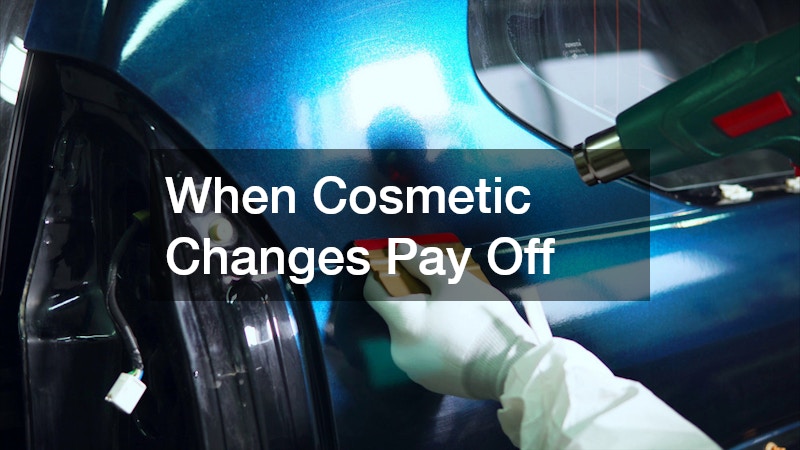
Cosmetic changes can transform how a vehicle feels to drive without permanently altering its factory identity. Vinyl wrap services have become a popular choice among owners who want a bold color change, subtle accent, or protective layer without committing to permanent paint alterations. A quality wrap job typically runs between $2,500 and $6,000 depending on vehicle size and vinyl grade, but that investment is often recouped at resale since the original factory paint remains untouched underneath.
Because wraps can be removed cleanly when done professionally, they offer a reversible way to express personal style while keeping the original finish intact. Popular options range from satin and matte finishes to chrome deletes and color-shifting films, each lasting roughly five to seven years before showing signs of wear. This lifespan gives owners several years of visual customization while preserving the option to return the car to stock condition before selling.
Choosing an experienced installer matters just as much as the material itself. Poorly applied wraps can trap moisture, cause edge lifting, or even damage clear coat during removal, turning a reversible upgrade into a costly repair. Requesting portfolio samples and confirming warranty coverage on both materials and labor helps ensure the change pays off rather than becoming a liability at trade-in time.
This reversibility is exactly why wraps tend to be safer for resale value than a full custom paint job. A quality vinyl wrap, professionally installed and maintained, can be removed after several years without damaging the factory clear coat underneath, especially if the car was garaged and the wrap wasn’t left on beyond its rated lifespan of roughly five to seven years. A buyer who dislikes your color choice can simply have the wrap removed, revealing the factory finish in good condition.
Paint, by contrast, is permanent the moment it cures. Even a professional respray in a color the market doesn’t favor can knock thousands off resale value, since a subsequent owner faces the cost and hassle of another repaint to get back to something more neutral. Wraps sidestep that risk entirely, since removal restores the car’s original, dealer-documented paint rather than leaving behind someone else’s aesthetic decision baked into the finish.
That said, wrap removal isn’t always risk-free. Cheap vinyl, poor installation, or years of sun exposure can cause the adhesive to bond too aggressively, sometimes pulling at the clear coat or leaving residue that requires paint correction to fully erase. Choosing a reputable installer and higher-grade film, and budgeting for professional removal rather than a DIY job, goes a long way toward preserving that safety net.
This flexibility makes wraps a smart middle ground between individuality and long-term protection, letting owners express a bold look now while keeping the car’s resale fundamentals intact for whoever buys it next.
The Role of a Trusted Repair Partner
Every strategic decision about your car benefits from having a reliable professional in your corner who understands both performance and value. Partnering with a reputable auto repair company gives you access to honest assessments about which upgrades are worth pursuing and which ones might hurt your car’s marketability. A shop with a strong track record can also spot small issues before they become expensive problems.
Building this relationship early means you have somewhere to turn whenever you are considering a change, whether it is mechanical or cosmetic. Consistent service history from one trusted provider also reassures future buyers that the car has been properly cared for.
- Look for shops with transparent pricing and detailed estimates
- Ask about warranties on both parts and labor
- Check online reviews specifically mentioning honesty and communication
- Confirm the shop works on your specific make or vehicle type regularly
Keeping Safety Systems in Top Shape
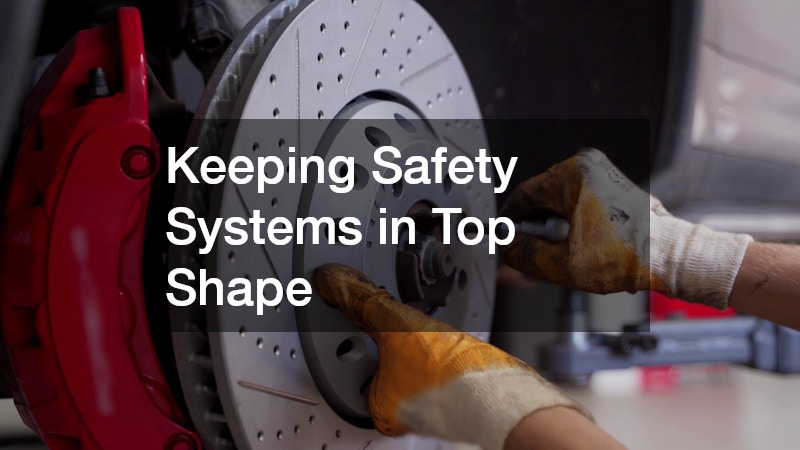
Performance and style upgrades mean little if the fundamentals of safety are neglected, and this is an area buyers scrutinize closely. Regular brake service ensures your vehicle stops reliably and performs consistently, which is one of the first things a potential buyer or inspector will check. Most manufacturers recommend inspecting pads and rotors every 10,000 to 15,000 miles, though aggressive driving or performance modifications can accelerate wear considerably.
Worn brake pads, warped rotors, or spongy pedal feel are red flags that can tank a sale or lower your negotiating position. Discolored or scored rotors, squealing noises, or a pedal that sinks toward the floor all signal deferred maintenance that savvy buyers will use as leverage. Even brake fluid matters here—fluid that hasn’t been flushed in two to three years can absorb moisture, reducing stopping power and inviting corrosion in the lines.
Beyond brakes, other safety systems deserve equal attention when preparing a vehicle for resale. Tire tread depth, suspension components, and the condition of airbags or ABS sensors are often checked during pre-purchase inspections, and any warning lights on the dashboard can immediately erode buyer confidence. Keeping detailed service records for these systems not only reassures buyers but also gives you solid justification for asking a stronger price.
Keeping detailed records of brake inspections and replacements also builds buyer confidence when it comes time to sell. Save every receipt, shop invoice, and digital service log, and note specifics like pad thickness measurements (most pads should be replaced once they hit 3mm or less), rotor resurfacing dates, and brake fluid flushes, which are typically recommended every two years or 24,000 miles. This level of detail turns a vague “brakes were serviced” claim into verifiable proof that the work was done correctly and on schedule.
Don’t overlook the other safety systems that factor into both performance and resale value. Keep records of ABS sensor checks, traction control diagnostics, and tire tread depth measurements, since worn tires below 4/32 of an inch can be a red flag during a pre-purchase inspection. If the car has upgraded brake components, such as performance calipers or slotted rotors, document the installation date and any compatibility notes with the factory ABS system.
A well-documented maintenance history signals that the car has been treated as more than just a showpiece. Buyers and appraisers increasingly cross-reference service records with vehicle history reports like Carfax or AutoCheck, so gaps or inconsistencies can raise doubts even when the car looks flawless. A thick maintenance folder or a well-organized digital archive can be the deciding factor that pushes a hesitant buyer toward a full-price offer.
Protecting Your Investment After an Accident
Accidents happen, and how you handle the aftermath can significantly influence your car’s future value. Quality auto body collision repair restores structural integrity and appearance, but the quality of that repair matters enormously when it comes to resale. A poorly repaired vehicle can show visible panel gaps, mismatched paint, or hidden frame issues that surface during a pre-purchase inspection.
Choosing a shop that uses proper equipment and follows manufacturer repair standards helps ensure the work holds up over time. Keeping copies of repair estimates, photos, and completion paperwork also gives you documentation to share with future buyers, which can ease concerns about past damage.
- Ask whether the shop uses OEM specifications for structural repairs
- Request before and after photos of the repair process
- Confirm paint matching was done with factory color codes
- Keep all insurance and repair paperwork organized in one file
Choosing Quality Components
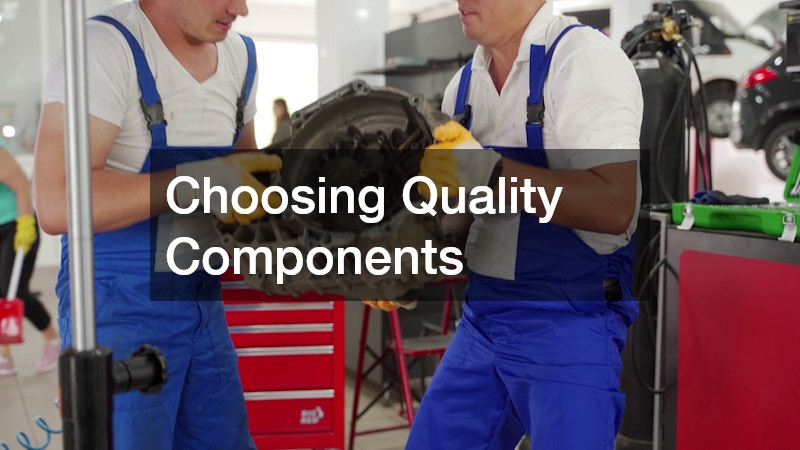
The parts you choose during any repair or upgrade play a direct role in both performance and long-term reliability. Opting for high-quality auto parts rather than the cheapest available option can prevent premature failures that lead to repeat repairs and diminished trust from future buyers. This is especially true for components tied to safety, drivetrain, or electrical systems.
Brake pads, rotors, and suspension bushings are worth particular scrutiny, since inferior versions often wear out 30-50% faster than OEM-grade alternatives and can introduce noise, vibration, or uneven handling that a prospective buyer will notice during a test drive. Aftermarket sensors and wiring harnesses are another common weak point, frequently triggering intermittent check engine lights or diagnostic codes that spook buyers, even when the underlying issue is minor.
Cost matters, but it should be weighed against total lifespan and warranty coverage rather than sticker price alone. A part that costs 20% more upfront but lasts twice as long, or comes with a two-year manufacturer warranty instead of none, typically works out cheaper over the time you own the vehicle. Keeping receipts and documentation for every quality component installed also builds a verifiable maintenance history, which savvy buyers and appraisers actively look for when determining resale value.
While original manufacturer (OEM) parts are often the safest choice for maintaining value, some aftermarket options—like Brembo brakes or Bilstein suspension components—are engineered to equal or exceed factory standards. The key is distinguishing between reputable performance brands and budget knockoffs that can hurt reliability and resale appeal.
Before buying, check part reviews on enthusiast forums, compare warranty coverage (some aftermarket brands offer lifetime guarantees, others none at all), and confirm compatibility with your specific trim and year. Keep all receipts and installation records, since documented, brand-name upgrades reassure future buyers far more than unverifiable modifications.
Doing this research upfront helps you strike the right balance between cost, quality, and long-term value retention.
Comfort and Protection Upgrades Worth Considering
Some upgrades improve everyday comfort and protect the vehicle without raising red flags for future buyers. Professionally installed auto window tinting services can reduce interior heat, protect upholstery from sun damage, and add a layer of privacy that many buyers actually view as a bonus feature. Because tint laws vary by location, it is worth confirming that any tint level applied meets local regulations to avoid legal issues down the road.
Similarly, staying on top of windshield replacement services when cracks or chips appear protects both visibility and structural safety. A neglected windshield can spread cracks quickly and may even affect the performance of advanced driver assistance systems that rely on windshield-mounted cameras. Addressing this promptly keeps the car safer and prevents a minor issue from becoming a costly inspection failure later.
- Verify local tint darkness laws before scheduling an installation
- Choose tint film with proper UV protection ratings
- Replace a cracked windshield before it spreads or obstructs your view
- Confirm any windshield replacement recalibrates driver assistance sensors if applicable
Why Alignment and Handling Matter
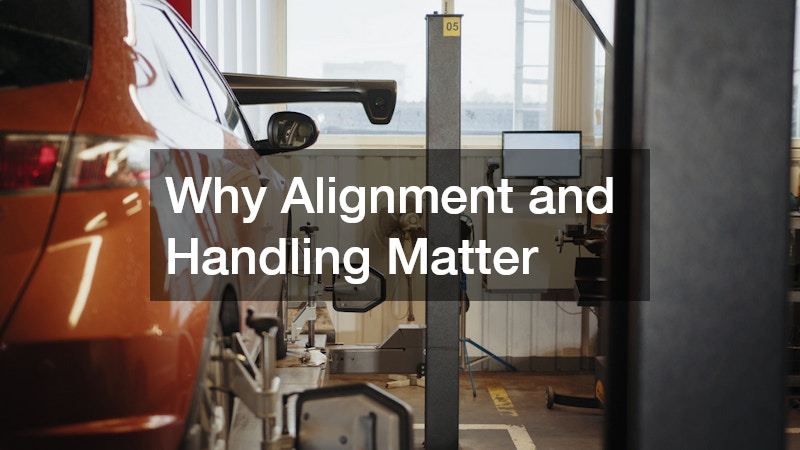
Handling and drivability are often overlooked when people focus on visual upgrades, yet they matter just as much for long-term satisfaction and resale appeal. Regular car alignment checks help ensure even tire wear, predictable steering response, and reduced strain on suspension components. A car that pulls to one side or shows uneven tire wear can quickly raise concerns during a test drive or inspection.
Alignment issues can also stem from hitting potholes, curbs, or aftermarket suspension upgrades that were not properly calibrated. Addressing alignment promptly protects your tire investment and keeps the car feeling refined, which matters both for your daily enjoyment and for impressing a future buyer.
Building a Relationship With a Skilled Technician
Beyond any single repair or service, having a knowledgeable auto mechanic you trust makes every decision about your car easier and more informed. A skilled technician can advise you on which upgrades fit your specific model well and which repairs deserve priority based on safety and value considerations. This kind of ongoing relationship often catches small problems early, saving you money and preserving your car’s condition over time.
Trust also works both ways, since a good mechanic will be upfront about when a repair is unnecessary or when a cheaper alternative exists. This honesty ultimately protects your wallet and your vehicle’s long-term reputation among future buyers.
Balancing personal style with smart financial decisions does not have to be complicated once you understand which choices genuinely add value and which ones simply feel good in the moment. Start by evaluating your vehicle’s current condition, prioritizing safety and reliability upgrades, and choosing reversible cosmetic changes when style is your primary goal. Partnering with trustworthy professionals along the way ensures every decision is informed rather than impulsive. With a thoughtful, strategic approach, you can enjoy driving a car you love today while protecting its value for whatever comes next.