The Essential Guide to Keeping Your Car Safe and Roadworthy

Owning a car is a major responsibility that goes far beyond the convenience of driving. A vehicle is a complex machine made of thousands of parts working under high pressure and heat. When these parts work together, your car is a reliable tool, but neglecting them can quickly turn a dependable ride into a safety hazard. True roadworthiness is not just about passing an annual inspection; it is an ongoing commitment to preventative care. By shifting from a reactive mindset—fixing things only when they break—to a proactive one, you protect your passengers, extend your car’s life, and ensure that your vehicle is always ready for the road ahead.
1. The Drivetrain and the Complexity of Power Delivery

The drivetrain is the system that moves power from your engine to your wheels, and it is vital for a smooth, predictable ride. This system relies on specialized fluids to lubricate gears and keep parts cool under extreme friction. Without proper care, your car may suffer from jerky movements or a loss of power, which can be dangerous when merging onto busy highways or driving on slippery roads.
Modern drivetrains are marvels of engineering, integrating the driveshaft, axles, and differentials to ensure that torque is distributed evenly. When these components lack lubrication, the metal-on-metal contact creates intense heat that can warp structural elements or cause gears to shatter. Furthermore, maintaining the CV joints and boots is essential; if these rubber seals tear, road grit enters the system and acts like sandpaper, quickly grinding down the precision-machined parts that allow your wheels to turn and pivot.
One of the most complex parts of this system is the transmission, which manages how much power goes to your wheels at different speeds. Because it uses sensitive hydraulic valves and gears, even slightly dirty fluid can cause the system to fail. Drivers should watch for red flags like a burning smell or slipping gears. A great tip is to check your fluid regularly; it should be bright red or pink. If it looks dark or smells burnt, you need a professional flush to avoid a total breakdown.
2. Ensuring Precision through Professional Mechanical Oversight
Modern cars have computers to alert you to problems, but they cannot replace the experience of a human expert. A car often gives off subtle signs of trouble, like a slight vibration in the steering wheel or a new clicking sound, that only a trained eye can truly understand. Regular check-ups with a professional ensure that small issues are caught before they become expensive, dangerous failures.
The benefit of hiring certified mechanics is their ability to perform a full “multi-point” inspection on everything from your battery to your exhaust. They know the common weak spots of specific car models and can tell you exactly when a part is likely to fail. Homeowners should always ask for a written health report during an oil change. This helps you prioritize safety repairs and plan your budget, keeping your car in top shape year-round.
3. Mastering Stopping Power and Deceleration Safety
Your brakes are the most important safety feature on your car because stopping is always more critical than going. Brakes work by using friction to slow you down, which naturally wears out the pads and rotors over time. Additionally, brake fluid can absorb moisture from the air, which makes the pedal feel “spongy” and reduces your ability to stop quickly in an emergency.
Understanding the mechanics of deceleration is key; when you press the pedal, hydraulic pressure forces the brake pads against the spinning rotor, creating the friction necessary to halt several thousand pounds of metal. Over time, this heat causes the brake pads to thin and can even lead to “glazing” on the rotors, which makes the surfaces too slick to grip effectively. Furthermore, old brake fluid can lead to internal corrosion within the lines and calipers, potentially causing the system to seize or leak under the high pressure required for a panic stop.
To stay safe, you should schedule car brake repairs as soon as you hear a squealing noise or feel the car shaking when you slow down. Replacing pads early prevents damage to more expensive parts like the rotors. A simple tip is to check your brake fluid level once a month. If the pedal feels soft or sinks to the floor, it’s a sign of a dangerous leak that needs immediate attention to ensure you can stop safely in rain or ice.
4. Specialized Care for Heavy Duty and Utility Vehicles

Trucks and large SUVs are built differently than standard cars, featuring heavier frames and suspension systems designed for towing and hauling. Because these vehicles are so heavy, a mechanical failure like a blown tire or broken suspension can lead to a much more serious accident. These vehicles often have specialized diesel engines and cooling systems that require specific tools to maintain.
If you drive a large vehicle, it is best to visit a dedicated truck repair service that has the heavy-duty equipment needed for these bigger machines. General shops might not have the right lifts or high-torque tools for the job. If you use your truck for towing, remember that the extra heat wears out your fluids faster. Regularly checking your “U-joints” and changing your transmission fluid more often will prevent expensive gear damage.
5. Managing Seasonal Maintenance and General Repairs
A roadworthy car must be able to handle extreme weather, from summer heatwaves to freezing winters. Heat can wear out your battery and tires, while cold can thicken your oil and make rubber parts brittle. A regular maintenance routine acts as a shield against these changes, ensuring your coolant, battery, and tires are always ready for the current temperature.
The impact of temperature on your car’s chemistry is profound; extreme heat accelerates the chemical reaction inside a battery, leading to internal corrosion and fluid evaporation, while bitter cold saps its cranking power exactly when the engine needs it most. Beyond the battery, seasonal changes affect tire pressure and rubber elasticity; for every 10-degree drop in temperature, tires can lose one pound of pressure, which compromises traction and fuel economy. Furthermore, ensuring your engine coolant is at the correct mixture ratio prevents the radiator from cracking in a freeze or boiling over in a heatwave, protecting the engine block from catastrophic thermal stress.
The easiest way to stay on top of this is to use a full-service auto repair service that keeps a digital history of your car’s needs. They can act as a “primary care doctor” for your vehicle. For actionable advice, test your battery every fall before the cold hits, as a weak battery often fails during the first freeze. Also, replace your cabin air filter once a year to ensure your windows defrost quickly so you can see clearly in bad weather.
6. Maintaining Structural Safety and Exterior Integrity
The exterior of your car is actually a safety cage designed to protect you in a crash. The paint isn’t just for looks; it prevents rust from eating into the metal frame. If rust takes hold, it can weaken the car’s structure, making it less safe in an accident. Keeping the exterior clean and fixing small scratches helps maintain the car’s strength and ensures that lights and mirrors work perfectly for clear visibility.
Modern automotive design relies on a rigid unibody construction, where the exterior panels provide essential support to the vehicle’s overall geometry. When rust compromises these thin layers of high-strength steel, the vehicle loses its ability to distribute impact forces away from the passenger cabin. Furthermore, maintaining clear, polished headlight lenses is vital, as oxidized plastic can reduce light output by up to 80 percent, significantly increasing the risk of nighttime collisions.
If your car gets a scratch or a dent, visit an auto body shop to have it sealed. Professional shops use special coatings that stop rust before it starts. For homeowners, a quick monthly walk-around to look for bubbling paint is a smart move. If you live where roads are salted in winter, washing the underside of your car twice a month is the best way to prevent the frame from rotting away.
7. Post-Collision Restoration and Precision Alignment
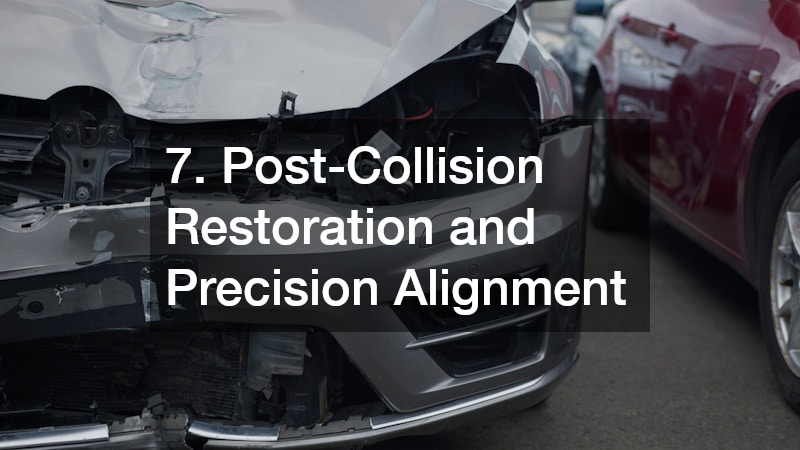
After an accident, a car is no longer considered “roadworthy” until a professional confirms the frame is straight and the safety sensors are working. Modern cars have “crumple zones” that must be repaired with laser precision to work correctly in a future crash. Even a small bump can knock your wheels out of alignment, causing the car to pull to one side and making it harder to control.
When fixing collision damage, choose a local auto body shop that uses computerized measuring tools. These tools ensure the car is perfectly aligned to the manufacturer’s original specs. After you get your car back, check the gaps between the doors and fenders; they should be even. Always ask for a wheel alignment after a body repair to ensure the car drives straight and doesn’t wear out your tires prematurely.
8. The Financial Strategy of Vehicle Protection and Liability
Keeping your car in good repair is a smart financial move. A neglected car is a major liability; if your brakes or steering fail, you could be held responsible for an expensive accident. On the other hand, a well-documented service history shows that you are a responsible owner, which can help protect your finances and keep your vehicle’s value high.
Your maintenance habits can also affect your relationship with your auto insurance agency. While they look at your driving record, the safety and condition of your car also play a role in your overall risk. A great tip is to keep a folder of all your repair receipts. If your car is ever totaled, these receipts prove the car was in excellent condition, which can help you get a much higher payout from the insurance company.
9. Engineering Resilience through Structural Body Work
A car’s body is designed to be aerodynamic and strong. When panels are loose or damaged, it creates wind noise and can even make the car vibrate at high speeds. More importantly, the body panels contribute to the car’s overall stiffness. A loose bumper or a damaged panel isn’t just an eyesore; it can actually be a hazard if it detaches while you are driving on the highway.
Fixing these issues requires professional auto body repairs that use high-quality adhesives and welds to match the original factory strength. For actionable advice, check the plastic liners under your car and inside the wheel wells after driving through deep puddles or over debris. If these liners are loose, they can get caught in the tires or block airflow to the brakes, leading to more serious mechanical problems.
10. Understanding the Impact of Maintenance on Coverage Costs
The total cost of owning a car includes more than just gas and repairs; it also includes the cost of risk. A car with bald tires or bad wipers is more likely to be involved in a crash, which can lead to legal trouble and higher insurance costs. Keeping your car roadworthy is essentially a way to ensure yourself against avoidable accidents and expensive lawsuits.
A well-maintained vehicle is the best way to keep your car insurance premiums low. Insurance companies prefer drivers who take care of their cars because they are less likely to file claims. Every year, review your policy and ask if there are discounts for having new tires or safety upgrades. By treating maintenance as a way to manage risk, you save money and keep your family safer at the same time.
Keeping your car roadworthy is a simple cycle of paying attention and taking action. By checking your fluids, listening for new noises, and working with the right professionals, you turn a complex machine into a reliable partner. This guide shows that whether you are maintaining a transmission, fixing a dent, or getting an alignment, every small step makes your car safer and more valuable. Preventive care is always cheaper and safer than waiting for a breakdown. By staying proactive, you ensure that your vehicle remains a safe, dependable tool for you and your family for years to come.