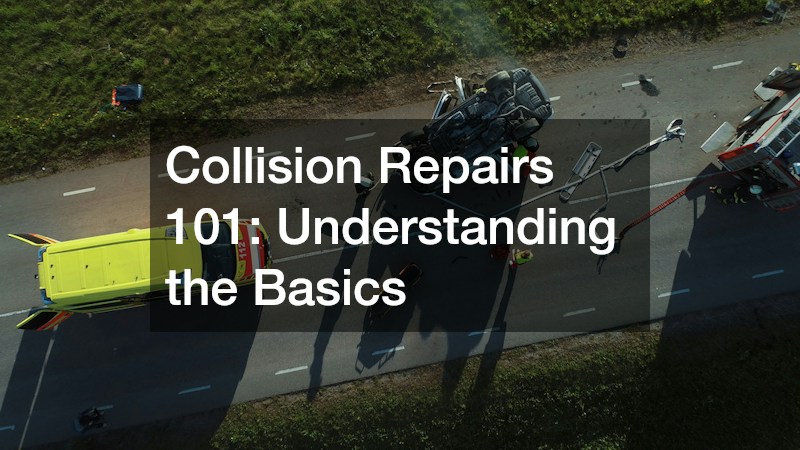
Collision Repairs 101 Understanding the Basics
Collision repairs are an essential aspect of vehicle maintenance for any car owner who has experienced a traffic accident. They encompass a wide range of services aimed at restoring vehicles to their pre-accident condition. Understanding the basics of collision repairs can empower vehicle owners to make informed decisions and ensure their car is safely drivable.
1. What Are Collision Repairs?
Collision repairs refer to the professional services undertaken to fix damage sustained by a vehicle during an accident. This process involves assessing the damage, replacing or repairing damaged parts, and ensuring the structural integrity of the car is restored. The goal is to make the vehicle safe, functional, and visually appealing again.
Common causes of vehicle collisions include distracted driving, adverse weather conditions, and failure to observe traffic rules. These incidents can lead to varying degrees of damage, from minor dents and scratches to severe structural issues. Understanding these causes can help in taking preventive measures to avoid accidents.
Types of damage typically repaired in collision shops include body damage, paint scratches, windshield cracks, and more. Shops may also handle mechanical repairs if the accident impacts parts like the engine or transmission. A professional evaluation is crucial to determine the extent and type of repairs needed.
2. How Do You Choose a Collision Repair Shop?
Choosing the right collision repair shop can significantly affect the outcome of the repair process. Key factors to consider include a shop’s reputation, location, and level of expertise in dealing with your specific car model. Ensuring the shop adheres to industry standards for collision repairs is crucial for quality work.
Certifications and credentials are important indicators of a repair shop’s quality. Shops certified by manufacturers or reputable industry organizations often follow stringent repair standards and stay updated on the latest repair techniques. This can lead to more reliable repair outcomes and customer satisfaction.
Before settling on a repair shop, it is wise to read reviews and seek recommendations from friends or family. Online platforms and local community boards can also offer valuable insights into the shop’s reliability and customer service. Word of mouth can often lead to discovering shops with exceptional service quality.
3. What Is the Collision Repair Process?
The collision repair process begins with an initial assessment and estimation of the damage. Skilled technicians evaluate the vehicle’s condition and create a repair plan detailing the steps and costs involved. This stage is crucial for setting realistic expectations and planning the necessary work.
Disassembly and repair planning follow the assessment phase, allowing technicians to access hidden damage. During this stage, parts of the car might be removed to facilitate thorough inspections and precise repair strategies. Proper planning ensures all damages are addressed efficiently before moving to the next steps.
Vehicle body repair and paintwork are key components of collision repairs. This involves fixing or replacing damaged panels and painting to match the manufacturer’s specifications. Skilled paint technicians ensure the new paint blends seamlessly with the old, restoring the vehicle’s original appearance.
4. How Long Do Collision Repairs Take?
Several factors influence the duration of collision repairs, including the extent of the damage, parts availability, and the shop’s workload. Minor repairs might take only days, while major restorations could last weeks. Clear communication with the repair shop is crucial to understand and manage timelines effectively.
Typical timeframes vary by the type of repair needed. For instance, simple paintwork might take a few days, whereas more extensive repairs involving structural issues could extend to several weeks. Knowing these general timeframes helps vehicle owners plan accordingly.
Delays can occur due to unforeseen complications, such as hidden damage discovered after disassembly. Effective management of expectations involves maintaining open lines of communication with the repair facility. Frequent updates allow owners to adjust their schedules and make alternate transportation arrangements if needed.
5. What Should You Do After a Collision?
Immediately after a collision, ensure everyone’s safety and move to a secure location if possible. Documenting the scene through photographs and exchanging information with other parties involved can be invaluable later. These steps lay a strong foundation for the claims and repair processes.
Filing a police report is often required, and contacting your insurer soon after ensures your claim is processed promptly. Insurance companies can provide recommendations for trusted collision repair services, streamlining the process. Being proactive with your claim helps in accelerating the repair and compensation processes.
It is crucial to understand and exercise your legal rights and responsibilities following an accident. This includes seeking legal counsel if necessary and making informed decisions about repair shops and estimates. Knowledge of these aspects can protect you from unfair practices and help you get the best services for your vehicle.
Understanding collision repairs is vital for anyone who owns a vehicle. By familiarizing yourself with the repair process, factors affecting repair time, and appropriate post-collision actions, you can ensure a smoother experience if an accident were to occur. Being equipped with this knowledge allows vehicle owners to make informed choices and potentially save time and money during the repair process.