Small Maintenance Tasks That Prevent Costly Vehicle Damage

A small rattle, a dim headlight, or a faint fluid stain on the driveway might seem too minor to worry about, but these tiny warning signs are often the first chapter of a much more expensive story. Most major vehicle repairs do not happen overnight; they build slowly from neglected maintenance that could have been caught early. Taking a few minutes each month to inspect key systems can save you thousands of dollars and keep you off the side of the road. This guide walks through the small, often-overlooked maintenance tasks that make the biggest difference in your vehicle’s long-term health.
Checking Fluid Levels Before They Become a Problem
Engine oil, coolant, brake fluid, and transmission fluid are the lifeblood of your vehicle, and letting any of them run low can cause damage that spreads far beyond the original component. A quick monthly check under the hood takes less than five minutes but can reveal a leak or low level before it turns into a seized engine or overheated transmission. Many drivers only think about fluids when a warning light appears, but by then the damage may already be underway.
For vehicles with a diesel transmission, fluid changes and level checks are especially important because these systems often work under heavier loads and generate more heat than standard gasoline setups. Skipping a scheduled fluid change on a diesel transmission can shorten its lifespan dramatically and lead to a repair bill that dwarfs the cost of routine maintenance.
- Check oil level and color monthly, topping off or changing as needed
- Inspect coolant reservoir for proper fill line and signs of discoloration
- Look under the vehicle for fresh fluid spots after it has been parked overnight
- Follow manufacturer intervals for transmission fluid changes, especially under heavy use
Inspecting Tires for Wear and Pressure Issues
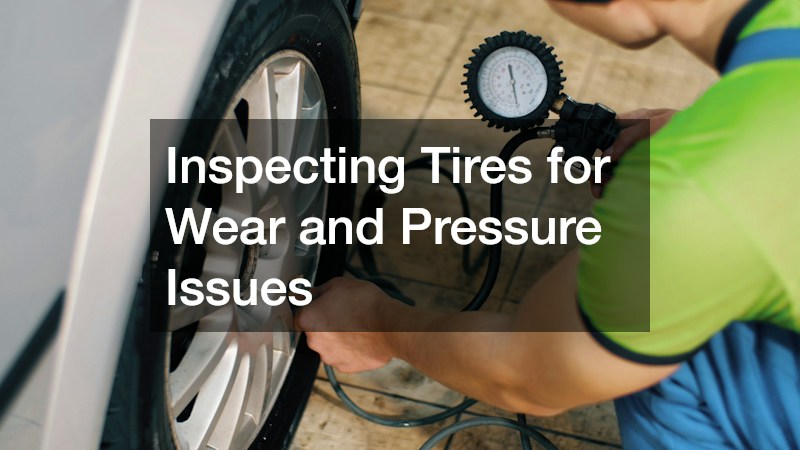
Tires are one of the few parts of your car that touch the road, yet they are frequently ignored until a blowout happens. Underinflated tires wear unevenly, reduce fuel economy, and increase the risk of a dangerous tire failure at highway speed. A simple pressure gauge kept in the glovebox can help you catch problems before they escalate into a costly tire replacement or, worse, a loss of control while driving.
Uneven tread wear can also signal alignment or suspension issues that, if left unaddressed, will damage other components over time. Rotating tires every 5,000 to 7,000 miles helps distribute wear evenly and extends the life of the entire set.
- Check tire pressure monthly and before long road trips
- Use the penny test to check tread depth
- Watch for cupping or feathering patterns that suggest alignment problems
- Rotate tires on schedule to promote even wear
Replacing Worn Wiper Blades and Checking Washer Fluid
Windshield wipers seem like a minor accessory until you are caught in a downpour with blades that smear rather than clear. Worn wiper blades reduce visibility and can even scratch the glass if the rubber has degraded and exposed the metal frame underneath. Replacing them every six to twelve months is an inexpensive way to maintain safe visibility in all weather conditions.
Poor visibility is a leading contributor to a car accident, particularly during sudden rain, snow, or glare from the sun. Keeping washer fluid topped off and blades in good condition is a small investment that pays off by helping you see and react to hazards in time.
- Replace wiper blades at the first sign of streaking or skipping
- Keep washer fluid reservoir full, especially in winter months
- Clean the windshield regularly to remove grime that dulls visibility
Restoring Cloudy or Yellowed Headlights

Over time, UV exposure and road debris cause headlight lenses to become cloudy, yellowed, or hazy, which significantly reduces the amount of light reaching the road at night. Many drivers assume this means the headlights need full replacement, but in most cases a headlight restoration service or DIY kit can restore clarity and improve nighttime visibility dramatically. This is a low-cost fix that directly impacts your safety and the safety of others on the road.
Dim or discolored headlights not only limit your ability to see, but they also make it harder for oncoming traffic to see you, increasing the risk of an accident during dusk or nighttime driving. Addressing this cosmetic-seeming issue early prevents the need for costlier lighting assembly replacements down the line.
- Inspect headlight lenses for yellowing or cloudiness every few months
- Consider a restoration kit or professional service before lenses become severely oxidized
- Check headlight alignment periodically to ensure proper road illumination
Listening for Early Brake Warning Signs
Squealing, grinding, or a soft brake pedal are all signs that your braking system needs attention, and ignoring them can lead to damaged rotors or even brake failure. Brake pads are designed with wear indicators that create noise specifically to alert drivers before the problem becomes serious. Addressing a simple pad replacement early is far cheaper than replacing warped rotors or calipers later.
Regular brake inspections should be part of every oil change or seasonal maintenance routine. Catching a minor issue early not only saves money but also reduces the risk of a serious accident caused by delayed stopping power.
- Listen for squealing or grinding noises when braking
- Pay attention to a pulsing or soft brake pedal
- Have brake pads and rotors inspected at every other oil change
- Address fluid leaks near wheels immediately
Addressing Small Dents and Scratches Before They Spread

A small chip in the paint or a minor dent might seem purely cosmetic, but exposed metal is vulnerable to rust, and rust can spread quickly beneath the surface where it is not visible. Once corrosion sets in, what could have been a simple touch-up becomes a much larger structural repair. Taking your vehicle to an auto body specialist for minor paint and dent repair early on prevents this kind of slow, hidden damage.
Beyond rust prevention, addressing small body damage also helps maintain your vehicle’s resale value and structural integrity. Many auto body shops offer affordable touch-up services that take far less time and money than waiting until the damage worsens.
- Inspect the exterior for chips, dings, and scratches regularly
- Touch up paint chips before rust has a chance to form
- Wash and wax the vehicle regularly to protect the clear coat
- Address minor dents promptly to prevent long-term panel damage
Knowing When to Call in the Professionals After an Accident
Not every fender bender requires a trip to the shop, but structural damage, frame misalignment, or airbag deployment always does. Attempting to assess this kind of damage yourself can be risky, since some issues are not visible without specialized equipment. A qualified collision repair technician can identify hidden problems that, left untreated, could compromise the vehicle’s safety in a future impact.
If your vehicle has been in a more serious incident, working with an experienced auto collision shop ensures the repair meets manufacturer safety standards rather than just looking acceptable on the surface. This is especially important for frame and suspension components, which affect handling and crash protection long after the visible damage has been fixed.
- Have the vehicle inspected after any moderate to severe impact, even if damage looks minor
- Ask about frame measurement and alignment checks after a collision
- Confirm that safety systems like airbags and sensors are properly reset
Choosing Manufacturer-Specific Repair Expertise
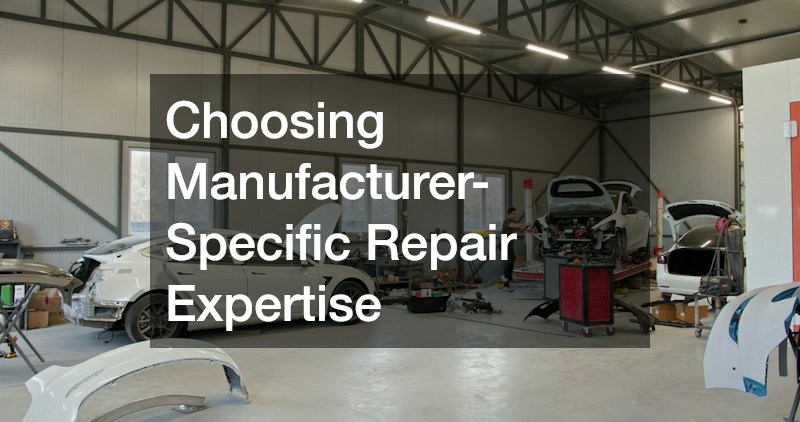
Different vehicle brands use different materials, panel designs, and safety technologies, which is why brand-specific repair knowledge matters more than many drivers realize. For example, a shop specializing in nissan collision repair will be familiar with that manufacturer’s specific sensor calibration requirements and body panel construction, reducing the risk of improper repairs. Choosing a shop with this specialized experience helps ensure your vehicle is restored to its original safety standards.
Generic repairs that do not account for manufacturer specifications can lead to recurring issues, from misaligned panels to malfunctioning safety sensors. Investing a little extra time in finding the right specialist prevents the need for a second round of repairs later.
- Ask if the shop has experience with your specific vehicle brand and model
- Confirm they use manufacturer-approved parts and repair procedures
- Request documentation of any sensor recalibration after repairs
Maintaining Larger Vehicles and Commercial Equipment
Owners of larger vehicles face unique maintenance considerations that go beyond typical passenger car care. Businesses evaluating box truck sales should factor in long-term maintenance costs, since these vehicles often endure heavier daily use and require more frequent inspections of brakes, suspension, and drivetrain components. A vehicle hauling several thousand pounds of cargo puts far more strain on these systems than an empty passenger sedan ever would. Brake pads and rotors on commercial trucks typically wear down faster due to constant load-bearing stops, especially in stop-and-go delivery routes. Suspension components like leaf springs, bushings, and shocks should be inspected every 15,000 to 20,000 miles, since sagging or worn suspension affects both handling and cargo stability. Drivetrain elements, including the transmission and differential fluid, also need more frequent checks because sustained heavy loads generate additional heat and friction. Tire maintenance deserves particular attention on larger vehicles, since uneven wear or underinflation can lead to blowouts that sideline a truck for days. Regularly rotating tires and checking pressure against manufacturer load specifications helps avoid this. Fleet operators should also keep an eye on brake air systems if the vehicle uses air brakes, as moisture buildup in the lines can cause failures in colder weather. Skipping routine service on a heavier vehicle can lead to far more expensive downtime than with a standard car. A single missed inspection on a commercial truck can result in thousands of dollars in repair costs and lost delivery days, making preventive maintenance schedules a smart investment rather than an optional expense.
Companies that rely on heavy lifting equipment face even higher stakes when maintenance gets neglected, since a single failure can halt an entire job site or endanger workers. Routine inspection of a crane service fleet, including cable, hydraulic, and structural checks, helps prevent both safety incidents and costly unplanned repairs. Wire ropes should be examined for fraying, kinking, or corrosion, while hydraulic systems need regular checks for fluid leaks, contamination, and proper pressure levels. Structural components, such as booms, outriggers, and load-bearing welds, deserve equally close attention, since fatigue cracks can develop gradually and go unnoticed until they cause a failure. Many operators follow manufacturer-recommended inspection intervals, often daily visual checks paired with more thorough monthly or annual assessments, to catch problems before they escalate. Documenting each inspection also creates a maintenance history that can flag recurring issues and support compliance with OSHA and other regulatory standards. Preventive care for commercial equipment follows the same principle as personal vehicle maintenance: small, consistent attention prevents large, expensive breakdowns. A worn cable that costs a few hundred dollars to replace is far cheaper than the downtime, liability, and reputational damage caused by an on-site failure. Investing in trained inspectors and a consistent maintenance schedule ultimately protects both the equipment and the people working around it.
- Schedule more frequent inspections for vehicles used in heavy-duty or commercial applications, ideally every 5,000-10,000 miles or per manufacturer guidelines for trucks, vans, and towing equipment
- Keep detailed maintenance logs for larger fleet vehicles, tracking service dates, mileage, repairs, and part replacements to spot recurring issues early
- Address hydraulic or mechanical wear immediately to avoid safety hazards, especially in brakes, lift gates, and towing hitches
- Inspect tires regularly for uneven wear or low pressure, since heavier loads accelerate tire degradation
- Check trailer connections, wiring, and brake lights before every long haul to prevent roadside failures
- Rotate maintenance responsibilities among trained staff to ensure consistent oversight across a fleet
Small maintenance habits, from checking fluid levels to restoring cloudy headlights, add up to significant savings and safer driving over the life of your vehicle. Waiting until a warning light appears or a strange noise becomes impossible to ignore almost always costs more than addressing the issue early. Set a simple monthly routine for inspecting your car, and do not hesitate to consult a trusted repair professional when something seems off. Your wallet, and your safety on the road, will thank you for the attention to detail.