Squeaks, Scratches, and Stains Low-Cost Car Repairs That Prevent Lowball Offers
Selling a used vehicle is as much a psychological game as it is a financial transaction. When a prospective buyer walks up to your car, their brain immediately registers every visible flaw, audible squeak, and interior odor. A minor door ding or a squeal during a test drive might only cost fifty dollars to fix, but in a buyer’s mind, it signals neglect. Buyers instantly assume that if you did not care for the visible parts of the vehicle, you likely skipped oil changes, ignored transmission flushes, and deferred critical mechanical upkeep. As a result, they protect themselves by slashing thousands off their offer to cover imagined, worst-case repairs.
The secret to maximizing your vehicle’s resale value lies in executing targeted, low-cost reconditioning before posting a single listing photo or scheduling an in-person meeting. By spending a modest amount of time and money eliminating obvious cosmetic and minor mechanical red flags, you remove the buyer’s primary negotiation leverage. Presenting a turn-key, clean, and quiet vehicle reassures buyers of its history, allows you to hold firm on your asking price, and ensures a fast, profitable sale.
1. Eliminating Minor Paint, Body, and Exterior Blemishes
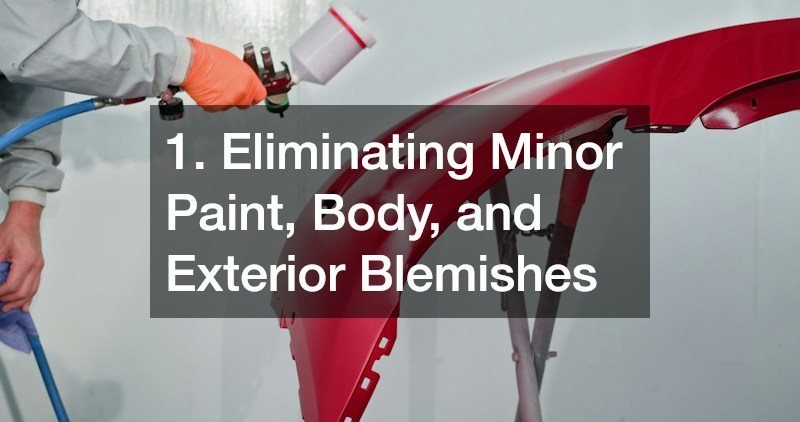
The exterior body of your vehicle creates the critical first impression. Deep clear-coat scratches, rock chips on the hood, and parking lot door dings suggest a car that has lived a hard life. Fortunately, many of these superficial blemishes can be remediated without taking the vehicle in for expensive panel replacements.
Addressing Paint Scratches and Clear-Coat Scuffs
Before spending money on professional bodywork, assess whether scratches have penetrated through the clear coat down to the primer or bare metal:
-
The Fingernail Test: Run your fingernail across the scratch. If your nail glides over without catching, the damage is isolated to the clear coat and can be buffed out completely using a dual-action polisher and a light compounding paste.
-
Touch-Up Paint Application: For deeper scratches that reach the primer, purchase factory-matched touch-up paint using your vehicle’s exact color code (found on the driver’s door jamb sticker). Apply thin layers using a micro-applicator pen, allow it to cure, and lightly wet-sand it flush with 2000-grit sandpaper before polishing.
-
Dent Repair Options: Minor door dings that have not cracked the paint can often be pushed out using paintless dent repair (PDR) techniques, preserving your factory paint finish at a fraction of traditional body shop costs.
When facing severe scuffs or localized clear-coat peeling on bumper covers, arranging for targeted auto body repairs prevents rust from taking hold and keeps the vehicle looking sharp from every angle.
If a panel has suffered extensive surface damage or deep key scratches across an entire fender, consulting a professional auto painting service to perform a localized spot blend or clear-coat spray will ensure the color matches seamlessly and eliminates obvious eyesores.
2. Restoring the Stance: Tires, Wheels, and Undercarriage Aesthetics
Buyers instinctively evaluate wheels and tires early in their walkaround inspection. Curb-rashed alloy rims, caked-on brake dust, and dull, dry rubber immediately lower the perceived value of an otherwise well-maintained car.
Refreshing Rims and Rubber on a Budget
You do not need to purchase expensive aftermarket wheels to impress potential buyers; simply restoring the factory setup makes a dramatic difference:
-
Deep-Cleaning Brake Dust: Alloy wheels collect baked-on metallic brake dust that standard car wash soap cannot remove. Apply a specialized iron-decontaminating wheel cleaner that turns purple as it dissolves embedded metal particles, then scrub with a soft-bristled wheel brush.
-
Fixing Curb Rash: Scraped aluminum wheel lips can be sanded smooth using progressively finer sandpaper (from 320-grit down to 1000-grit), masked off, primed, and sprayed with color-matched metallic wheel paint and clear coat.
-
Tire Conditioning: Ensure your tires have adequate tread depth. Use the Lincoln penny test: insert a penny upside down into the tread grooves; if the top of Lincoln’s head is visible, the tires are worn out and should be replaced. Apply a non-greasy, matte-finish tire shine to restore deep black rubber without leaving sticky residue.
Taking time to clean and restore your wheels and tires provides an immediate return on investment by giving the vehicle a grounded, showroom-ready stance that signals proper maintenance.
3. Silencing the Drive: Eliminating Minor Mechanical Squeaks and Rattles
A buyer taking your vehicle for a test drive is listening intently for any abnormal noises. High-pitched brake squeals, squeaking engine belts, or rattling interior trim panels instantly make a car feel old, broken, and unsafe, giving buyers an easy excuse to demand steep price discounts.
Locating and Fixing Auditory Red Flags
Silencing annoying driving noises is often simpler and far less expensive than most sellers realize:
-
Silencing Brake Noise: Squealing during light stopping is usually caused by dry caliper slider pins or a lack of anti-squeal grease on the back of the brake pads rather than worn friction material. Inspecting pad thickness and applying high-temperature brake lubricant to metal contact points eliminates noise quickly.
-
Addressing Engine Bay Squeaks: A high-pitched chirp coming from under the hood when starting the engine cold typically points to a worn serpentine belt or an misaligned tensioner pulley. Replacing a serpentine belt takes minimal tools and costs very little while instantly restoring quiet operation under the hood.
-
Fixing Interior Rattles: Loose dashboard trim, door panel clips, or glovebox hinges can create distracting vibrations over bumps. Line rubbing plastic edges with thin felt tape or replace missing plastic trim clips to make the cabin whisper-quiet.
If a high-pitched metallic grind persists during braking, scheduling a local brake repair to install fresh ceramic pads and resurface the rotors eliminates safety concerns and removes a major negotiation point.
For persistent engine ticks, suspension clunks over bumps, or minor check-engine lights, having a trusted local auto repair mechanic diagnose the issue ensures you fix minor sensor failures or sway bar links before buyers arrange a pre-purchase inspection.
4. Interior Revitalization: Eliminating Stains, Odors, and Wear Marks
Buyers spend most of their time sitting inside the cabin, making interior cleanliness vital to a successful sale. Stained upholstery, sticky center consoles, torn carpet, or lingering odors of pets and smoke will ruin a sale faster than almost any exterior flaw.
Deep Cleaning and Odor Neutralization Techniques
Restoring an interior requires moving beyond a simple gas-station vacuum and wiping down surfaces systematically:
-
Steam Extraction for Stains: Rent a portable carpet extractor or hot-water spot cleaner to lift ground-in coffee, salt, and mud stains out of floor mats and cloth seats. Use an enzyme-based cleaner for organic stains to eliminate odor-causing bacteria at the root.
-
Leather Conditioning: Clean leather seating surfaces with a pH-neutral leather cleaner using a horsehair brush to pull dirt out of the grain, then apply a matte leather conditioner to restore softness and eliminate shiny, oil-slicked wear spots.
-
Ozone Odor Removal: Never attempt to mask smoke, food, or pet smells with heavy air fresheners, which buyers view with suspicion. Place a plug-in ozone generator inside the closed vehicle for 30 to 60 minutes with the AC recirculating, then air out the cabin thoroughly to permanently destroy odor molecules.
If seat fabric is deeply stained, door panels are grime-caked, or the headliner requires delicate handling, investing in professional car detailing services can yield a dramatic interior transformation that pays for itself multiple times over at the negotiating table.
5. Window Care, Trim Restoration, and Glass Clarity
Clear glass and dark, rich exterior trim play a major role in how modern a vehicle looks. Faded gray plastic bumpers, hazy yellowed headlights, and bubbling, purple window tint make an otherwise solid vehicle look ready for the scrap heap.
Restoring Exterior Trim and Glass Surfaces
Refreshing these high-visibility areas requires minimal investment and delivers immediate visual impact:
-
Restoring Sun-Damaged Headlights: Cloudy, oxidized polycarbonate headlight lenses severely reduce nighttime visibility and make a car look ancient. Use a wet-sanding restoration kit (1000, 2000, and 3000-grit sandpaper) followed by a compound polish and a UV-resistant clear coat seal to restore crystal-clear lens clarity.
-
Reviving Faded Plastic Trim: Black plastic wiper cowls, door handles, and bumper inserts fade to dull gray after years of UV exposure. Apply a ceramic-based trim restorer that penetrates deep into the plastic pores to bring back a rich, long-lasting dark finish without washing away in the rain.
-
Cleaning Glass Surface Film: Clean interior glass surfaces using an ammonia-free glass cleaner and waffle-weave microfiber towels to strip away the hazy haze caused by plasticizer off-gassing from the dashboard.
If old, aftermarket window film has begun to peel, develop air bubbles, or shift to a distorted purple hue, stripping it cleanly using a garment steamer preserves rear-window defroster lines.
Replacing damaged film by taking the car for professional car window tinting restores UV protection, keeps the cabin cooler during test drives, and gives the vehicle a sleek, premium profile.
6. Budget-Conscious Component Replacement and Sourcing
In addition to major systems, missing or broken small parts signal neglect to meticulous buyers. A missing oil cap, a broken air vent louvre, a cracked tail light lens, or a missing floor mat can make an otherwise solid car feel incomplete.
Finding Inexpensive Replacement Parts
You do not need to pay retail prices at dealership parts counters to fix small interior and exterior flaws:
-
Replacing Small Trim Pieces: Scan online auto parts outlets for low-cost aftermarket replacements for missing window switches, broken cupholders, worn shift knobs, and missing wheel center caps.
-
Refreshing Wear Items: Install a fresh set of frameless windshield wiper blades and ensure all interior dome lights, trunk lights, and license plate bulbs are functioning properly. Replacing a two-dollar bulb eliminates an unnecessary distraction during nighttime viewings.
-
Adding Matching Floor Mats: If the original floor mats are stained, torn, or missing entirely, purchase an inexpensive set of custom-fit rubber or carpeted floor mats. A clean set of mats anchors the interior aesthetic and protects freshly extracted carpets.
When searching for matching body panels, original side mirrors, color-coded door handles, or pristine factory alloy wheels, sourcing clean salvaged auto parts from auto recyclers provides genuine original-equipment fit and finish for a fraction of the cost.
Prioritizing low-cost cosmetic and functional auto repairs prevents buyers from creating a lengthy list of minor defects that they can leverage to lower their cash offer.
7. Engine Bay Detailing and Fluid Checks
When a buyer pops the hood, a filthy engine bay caked in road grime, oil sludge, and dried coolant leaves a terrible impression. While you should never pressure-wash an engine bay aggressively, taking an hour to clean and inspect under the hood builds immense buyer confidence.
Presenting a Clean, Honest Engine Compartment
An engine bay should look clean, dry, and well-maintained without appearing as though you are actively hiding an active fluid leak:
-
Safe Degreasing: Cover delicate electrical components, the alternator, and open air intakes with plastic bags. Spray a mild, water-based automotive degreaser over metal surfaces and hoses, agitate heavy grime with a soft brush, and rinse gently with a low-pressure water spray.
-
Dressing Plastic Covers: Wipe down plastic engine covers, air intake boxes, and rubber radiator hoses with a non-greasy, water-based protectant to give the engine compartment a fresh, orderly appearance.
-
Topping Off and Checking Fluids: Check all fluid levels, ensuring the engine oil, coolant, brake fluid, power steering fluid, and windshield washer fluid are clean and filled to proper levels. A clean dipstick with fresh, amber oil signals conscientious ownership.
Taking the time to present a spotless engine bay proves to buyers that you took pride in maintaining the vehicle’s mechanical core throughout your ownership.
8. Organizing Documentation and Service Records
Physical reconditioning is only half of the equation; proving that your car has been cared for mechanically completes the picture. A buyer who sees a well-organized stack of service records is far less likely to question the vehicle’s history or haggle aggressively over price.
Building an Irrefutable Maintenance History
Gather all documentation related to the car and present it in an organized fashion during the viewing:
-
Compile Service Records: Organize repair receipts, oil change logs, tire rotation slips, and brake service invoices chronologically inside a clear plastic binder or folder.
-
Highlight Major Services: Call out expensive preventative maintenance milestones, such as timing belt replacements, spark plug renewals, water pump changes, or transmission fluid flushes.
-
Provide Vehicle History Reports: Consider pulling a clean vehicle history report (such as Carfax or AutoCheck) in advance to show buyers that the vehicle has a clean title, correct odometer readings, and no unreported accident damage.
Having complete paperwork ready builds instant credibility, eliminates fear of hidden mechanical defects, and reinforces your firm asking price.
9. Navigating the Sale: Private Party vs. Trade-In Strategies
How you choose to market and sell your vehicle dictates how much value you capture from your reconditioning efforts. Whether you choose to sell private-party or trade the car in at a dealership, a clean, well-prepared car yields superior financial results.
Maximizing Returns Across Different Sales Channels
Understand how different sales avenues evaluate a pre-owned vehicle’s condition:
-
Private-Party Listings: Selling directly to a private buyer yields the highest purchase price. High-quality listing photos taken in good lighting against a clean backdrop—highlighting your recent reconditioning—will attract serious buyers quickly.
-
Trade-In Appraisals: When trading in a car, dealership used-car managers deduct estimated reconditioning costs directly from their trade-in offer. Presenting a vehicle that requires zero detailing, wheel repair, or paint correction forces the appraiser to offer top-tier wholesale trade-in value.
-
Firm Negotiation Stance: When a buyer attempts to offer a low price based on minor cosmetic flaws, point out the recent reconditioning work, fresh fluids, and complete service records to justify your asking price confidently.
Whether dealing with a private buyer or an appraisal manager at a used car dealer, presenting a turn-key vehicle eliminates their reconditioning arguments and keeps negotiating power in your hands.
10. Final Pre-Listing Audit and Presentation
Before taking final listing photographs or showing the car to your first prospective buyer, conduct a thorough final inspection to ensure no small details were overlooked.
The 15-Minute Pre-Show Walkaround
Step into the shoes of a skeptical buyer and perform one last thorough inspection of the vehicle:
-
Check All Exterior Lighting: Verify that headlights, high beams, brake lights, reverse lights, and turn signals operate correctly.
-
Verify Dashboard Warnings: Start the engine and confirm that no warning lights—such as Check Engine, ABS, Airbag, or Tire Pressure monitors—remain illuminated on the instrument cluster.
-
Inspect Interior Storage: Clear out all personal items from the glovebox, center console, door pockets, and trunk, ensuring the vehicle feels spacious and ready for immediate use.
-
Final Glass & Wipe Down: Give all exterior glass a final streak-free cleaning and wipe down the dashboard and steering wheel with a microfiber cloth.
Taking the time to fix minor flaws, quiet unexpected driving noises, and present a clean, odor-free vehicle protects your asking price, eliminates lowball offers, and ensures a smooth, successful sale.
Preparing a car for sale is fundamentally about eliminating buyer doubt. Every unresolved squeak, body scratch, or carpet stain acts as a red flag that lowers perceived value and encourages buyers to submit aggressive lowball offers. By taking a proactive, systematic approach—addressing minor cosmetic bodywork, silencing brake and belt squeaks, refreshing interior surfaces, and organizing service records—you eliminate the buyer’s leverage. The modest time and money spent executing these low-cost repairs pays off directly in a higher final sale price, a faster transaction, and complete confidence when closing the deal.