
The Post-Accident Vehicle Triage Guide What to Fix, What to Tow, and What Can Wait

The immediate moments following a traffic collision test even the most composed motorist. Adrenaline surges, pulses race, and the abrupt halt to a normal drive leaves people feeling rattled on the side of the road. In these chaotic minutes, personal safety and the physical welfare of every passenger must remain the first concern. Once everyone checks out fine and emergency services receive a call if needed, attention turns to the vehicle. A car resting on a highway shoulder or sitting in an empty turn lane often displays an unsettling mix of cracked trim, surface scratches, and dark fluid patches. Deciding what to do next can easily overwhelm someone, particularly when heavy traffic speeds past only feet away.
Rather than making panicked decisions, motorists benefit from treating the situation with a calm, triage-oriented mindset. Vehicle damage generally falls into three basic groups: urgent safety issues that stop a car from being roadworthy, major mechanical faults that require prompt attention, and purely aesthetic blemishes that can wait for another week. Trying to drive a compromised vehicle away from an accident scene can turn a minor collision into a secondary crash or destroy an engine within minutes. At the same time, paying for an emergency tow when a car only has a scraped bumper wastes time and money. Taking a breath and spending five minutes on a careful walkaround helps an owner make logical choices. Getting a clear sense of what happened to the machine sets the stage for a smooth visit to a local auto repair facility later on.
Mechanical Hazards That Demand Roadside Towing
The first major question facing any motorist after an impact is whether the car can move under its own power without creating extra danger. Modern passenger vehicles pack thousands of intricate components behind their plastic bumpers, including pressurized radiators, oil lines, and sensitive steering racks. A direct hit to the front grille often punctures delicate cooling circuits even when the outer bumper cover springs back into place. Drivers need to bend down and check underneath the front bumper for active dripping or widening wet spots. Bright green, neon pink, or yellow liquid points to engine coolant, whereas slippery black or brown fluid indicates motor oil or transmission fluid. Running an engine without coolant warps internal aluminum heads very quickly, turning an easy claim into a destroyed engine block.
Steering and braking systems require the same careful inspection before anyone shifts into gear. If turning the wheel takes unusual muscle, feels loose, or grinds loudly, the steering box or tie rods probably suffered direct trauma. A brake pedal that sinks straight down to the floor mat or feels unusually soft warns of a ruptured brake line or a cracked caliper. Driving away under these conditions invites disaster. Under such circumstances, calling a dependable towing service is the only smart, responsible move. Loading the damaged car onto a flatbed protects the owner from personal injury and shields the vehicle drivetrain from severe secondary damage.
Evaluating Wheels, Rims, and Tire Health
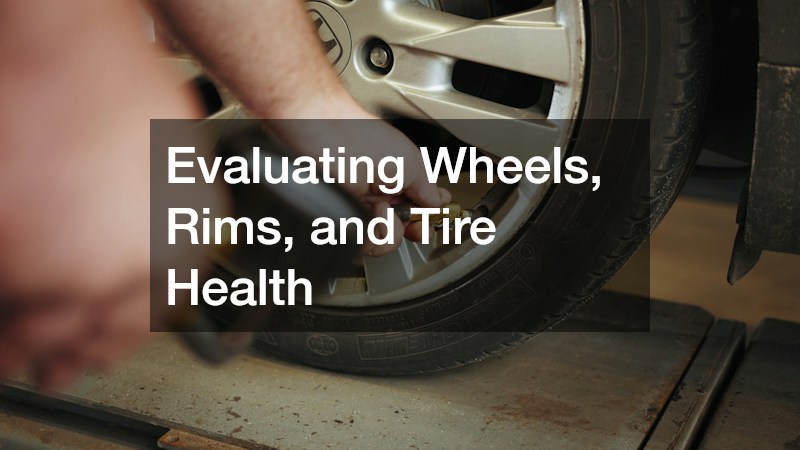
Once the engine bay and steering gear pass a visual test, the inspection moves down to the running hardware. Wheels, rims, and suspension arms absorb massive kinetic shock during offset collisions, curb impacts, or deep pothole strikes. Even an impact at fifteen miles per hour against a solid curb can warp a steel control arm, crack an alloy rim, or tear the internal belts inside the rubber. Motorists should walk around the car and inspect where the rubber meets the road. Any visible bulge, egg-shaped bubble, or knot on a sidewall means the internal radial cords have broken apart. A tire in that state can blow out without warning at normal highway speeds.
Drivers should also check the alignment of each wheel inside its fender opening. If one wheel tilts inward at an unnatural angle or sits pushed back against the plastic fender liner, the vehicle suspension has bent out of spec. Driving on bent suspension links causes intense, uneven scrub that can ruin a set of car tires in less than an afternoon of driving. Bent steering knuckles and damaged wheel bearings also place heavy lateral stress on the transaxle and differential. If any wheel rubs against inner plastic liners or wobbles while rolling forward, the car must stay off active roadways until a technician puts it on an alignment rack.
Minor Glass Fractures and Stone Chips
Shockwaves from an accident travel straight through the vehicle unibody, frequently sending stress fractures through the structural glass. A fresh crack across the front windshield creates an annoying distraction and blocks a clean view of the pavement ahead. Even so, not every small chip demands a complete glass teardown. When a flying stone or low-speed jolt creates a small bullseye or star blemish smaller than a coin, quick attention can preserve the original glass. A trained technician can inject clear optical resin into the break under pressure, stabilizing the inner laminate layer and stopping the crack from spreading across the glass face.
Speed is critical when dealing with localized glass breaks. Road dust, moisture, and washer fluid seep into tiny glass cracks within hours of an impact, settling deep inside the microscopic vinyl interlayer. Once dirt and oils contaminate the break, optical resins cannot bond cleanly, leaving a foggy mark and weakened glass. Motorists who schedule a quick windshield crack repair right after an accident can save substantial money while keeping the original factory seal unbroken. The whole process takes less than forty-five minutes and avoids the hassle of removing factory weatherstripping.
Structural Windshield Damage and Driver Safety
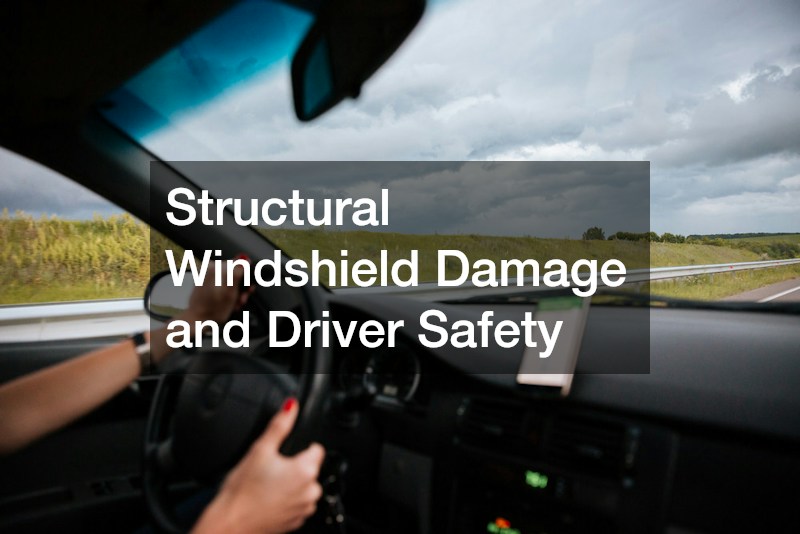
When impact damage goes beyond minor stone stars, resin injections are no longer a viable option. If a crack runs longer than six inches, starts at the outer perimeter of the glass, or cuts through both glass layers, the panel has lost its structural strength. Modern automotive engineers design the windshield as a load-bearing component that provides significant structural rigidity during a rollover accident. The passenger airbag also relies on the inside of the glass to deflect properly toward the seat occupant during a crash. Driving around with wide spiderweb fractures across the glass turns a basic safety system into a genuine hazard.
Modern vehicle safety technology complicates glass replacement even further. Advanced driver assistance systems place forward cameras, automatic emergency braking sensors, and rain detectors right behind the glass pane near the rearview mirror. When structural damage forces a complete windshield replacement, installing fresh glass is only part of the job. Technicians must also run static and dynamic digital calibrations to align those safety cameras with the road. Skipping camera calibration causes safety computers to misjudge distances or fail to detect lane boundaries. When a windshield suffers deep cracks or blocks safety sensors, replacing the entire glass unit becomes an urgent safety item that cannot wait.
Undercarriage Scrapes and Exhaust Damage
Accidents that involve road debris, tall curbs, or rear collisions frequently damage components tucked under the floor pan. The exhaust pipe runs the entire length of the vehicle, supported by flexible rubber hangers and metal brackets. A hard push against the rear bumper can shove the exhaust pipes forward, stressing the catalytic converter or snapping intermediate pipe welds. Motorists should start the engine and listen closely to the idle sound. A heavy drone, raspy buzzing, or deep roar indicates a cracked exhaust pipe or broken internal baffles inside the muffler.
A fractured exhaust brings serious hazards beyond loud engine noise. Broken joints and cracked pipes let dangerous exhaust gases, especially carbon monoxide, enter the cabin through fresh air vents. This issue becomes especially dangerous during stop-and-go driving or when the heater runs with the windows up. A hanging pipe can also scrape against the asphalt, throwing hot sparks toward fuel lines or snagging on road debris. If an inspection shows dragging exhaust hardware, heavy rattling, or exhaust fumes inside the cabin, the car should remain parked until a mechanic can weld fresh pipes into place.
Hidden Structural Stress and Diagnostic Scans
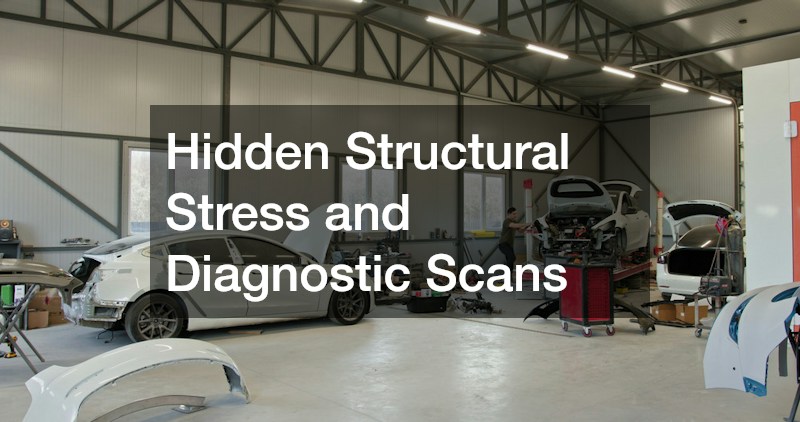
After handling urgent mechanical problems and towing arrangements, vehicle owners need to think about concealed damage. Modern vehicle frames feature crumple zones designed to crush in a collision, soaking up kinetic force so passengers stay safe. Because of this clever design, a car can look decent on the outside while its underlying bumper reinforcement or unibody rails are bent out of shape. Hidden frame distortion ruins wheel alignment, pinches wiring harnesses, and strains drive axles. Uncovering these underlying structural flaws requires precision measuring equipment and digital scanners.
Drivers should not rely solely on what they can see with their own eyes. Booking a comprehensive post-accident check at an experienced auto repair shop gives trained technicians a chance to look at subframes, radiator supports, and suspension mounts. Technicians also connect scan tools to read internal trouble codes stored inside computer modules. These scans catch silent problems with airbag impact sensors, seatbelt pre-tensioners, and stability control systems. A professional diagnostic visit confirms that the car structural safety systems will perform correctly if another accident ever happens.
Preserving Sheet Metal and Factory Finishes
With safety systems checked and mechanical parts verified, owners can turn to exterior metal damage. Not every dent requires a body shop to grind down paint, slather on plastic body filler, and spray fresh paint over an entire quarter panel. In minor parking lot scrapes or low-speed impacts where the paint finish remains intact, modern metal reshaping provides an outstanding solution. Specially trained technicians use custom metal rods and reflection boards to massage dented sheet metal back to its original shape from behind the panel. This smart restoration process is known throughout the industry as paintless dent repair.
This gentle approach gives vehicle owners noticeable advantages. Keeping the original factory finish intact matters because factory paint features high-temperature treatments that aftermarket paint booths cannot duplicate. Factory paint resists rust and sun fading far better than repainted surfaces over long periods. Traditional body shop repainting also takes days or weeks, forcing owners to rent extra vehicles. Choosing a non-invasive metal repair usually takes just a couple of hours and costs a fraction of standard bodywork. For door dings, shallow creases, and hail marks, it stands out as the best cosmetic choice available.
Surface Scratches and Convenient Mobile Repairs
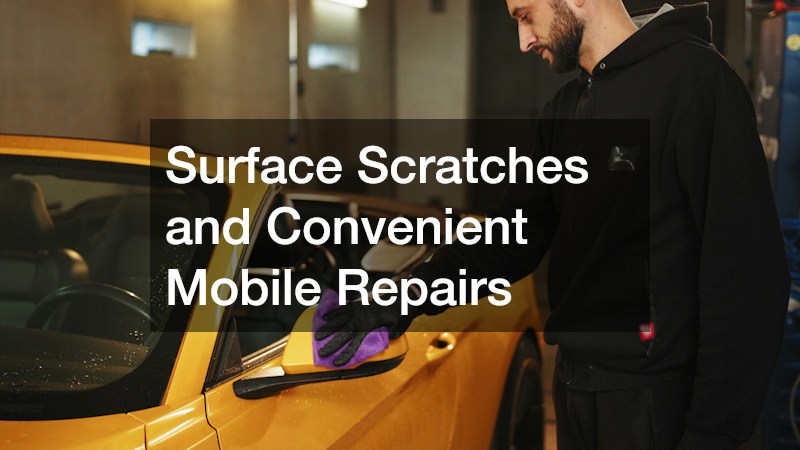
Surface blemishes that leave the car fully drivable sit at the bottom of the post-accident priority list. Minor paint scrapes, plastic bumper scuffs, and small clearcoat scratches do not stop a vehicle from running safely. Drivers can take their time dealing with these issues while managing work schedules and family responsibilities. Even so, ignoring deep paint gouges that expose bare steel invites moisture and road salt to start rusting the panel. Visiting a traditional body shop for a tiny bumper scrape often feels like overkill when people need their cars every day.
Convenient repair options make dealing with cosmetic scrapes much simpler today. Motorists can now schedule a mobile scratch and dent repair service that sends a qualified technician directly to a home driveway or office lot. These mobile service vans carry digital paint-matching cameras, rapid primers, and spot-blending spray guns to fix local paint damage right on the spot. A technician can clean up a scraped bumper corner or smooth out a door scratch while the owner works inside. This hassle-free option keeps the car looking sharp without stealing hours out of a busy week.
Building a Practical Post-Accident Recovery Plan
Recovering from an auto collision works best when motorists follow a patient, structured plan. Trying to fix every minor scrape at the same time usually results in bloated bills, wasted time, and confusion. Following a clear triage priority keeps money focused where it matters most: safety first, mechanical reliability second, and appearance last. Immediate road hazards like cracked wheels, dragging pipes, and leaking radiators demand attention right away. Minor exterior flaws like small dents and light scratches can sit quietly on the back burner until schedules and household finances allow.
Taking this organized approach turns a stressful event into a manageable project. By documenting damage thoroughly, consulting experienced professionals, and scheduling cosmetic work on a convenient timeline, car owners protect both their safety and their wallet. Knowing what needs immediate care and what can wait gives drivers absolute confidence after an accident. Sensible choices make all the difference, ensuring that every dollar spent on car repair goes toward keeping the vehicle safe, reliable, and road-ready for many miles ahead. Motorists who adhere to these practical guidelines will protect their investment, safeguard their passengers, and drive with complete confidence.