What Every Driver Should Know About Auto Care Options

There is a distinct sense of freedom that comes with sliding into the driver’s seat, starting the ignition, and feeling the subtle hum of the machine coming to life. For over a century, personal vehicles have represented autonomy, adventure, and the ability to dictate our own schedules. However, that freedom is intrinsically tied to a significant responsibility. Modern vehicles are no longer simple collections of gears, belts, and combustion chambers. They are highly advanced rolling computers, integrating complex software, intricate sensor networks, and precision-machined mechanical components. When everything functions perfectly, the driving experience is seamless. But when a dashboard warning light suddenly illuminates, or an unfamiliar mechanical clatter begins echoing from beneath the hood, that sense of freedom can quickly be replaced by anxiety and uncertainty.
The days of taking your vehicle to a single, general-purpose neighborhood garage for every conceivable issue are largely fading into the past. As automotive technology has rapidly evolved, so too has the automotive repair industry, fragmenting into highly specialized sectors. Today, ensuring the longevity, safety, and reliability of your vehicle requires a nuanced understanding of these different tiers of care. Whether you are dealing with standard wear and tear, catastrophic internal failures, cosmetic damage from an unexpected collision, or even just losing your keys in a busy parking lot, knowing exactly where to turn is an invaluable skill.
Empowering yourself with a clear, comprehensive understanding of the automotive care landscape does more than just alleviate the stress of a breakdown. It fundamentally protects your financial investment. Cars are typically the second most expensive purchase a person will make in their lifetime, trailing only behind housing. Treating this investment carelessly by ignoring vital upkeep or trusting highly complex systems to underqualified hands can result in staggering financial losses. Conversely, proactive knowledge acts as a shield against inflated repair bills and premature vehicle depreciation.
This comprehensive guide is designed to serve as a roadmap through the often-confusing world of automotive maintenance and repair. By exploring the critical differences between preventative upkeep, specialized vehicle needs, structural restoration, and emergency preparedness, you will gain the confidence to navigate any situation your vehicle throws your way. The goal is to transform the experience of car ownership from a stressful gamble into a manageable, predictable, and ultimately rewarding journey.
Mastering Routine Maintenance and Preventative Care
Understanding the foundational requirements of vehicle upkeep is the single most effective way to guarantee its longevity. Preventative maintenance is the bedrock of automotive health, functioning on the principle that it is always vastly more affordable and convenient to replace a small, inexpensive component today than it is to replace a major, catastrophic failure tomorrow. Establishing a baseline of vehicle health requires diligence, consistency, and an understanding of the specific intervals dictated by your vehicle’s manufacturer.
Schedule Regular Fluid Checks and Filter Replacements Based on Mileage
The internal combustion engine operates under extreme conditions, generating immense heat and friction that must be constantly mitigated. Fluids are the lifeblood of your vehicle, serving multiple critical functions simultaneously: they lubricate moving parts, dissipate thermal energy, and clean internal surfaces of microscopic metal shavings and debris. Engine oil, perhaps the most critical of these fluids, degrades over time and loses its viscosity, meaning it can no longer provide a protective film between rapidly moving metal components. Failing to address this inevitable degradation leads to accelerated wear and, eventually, complete engine seizure. Finding a trustworthy facility for routine auto services is the first step in ensuring these vital fluids are monitored, flushed, and replaced before they reach the end of their functional lifespan.
Similarly, the transmission relies on a highly specialized fluid to facilitate the complex choreography of gear changes, whether automatic or manual. Despite what some owner’s manuals might suggest about “lifetime” fluids, the reality of physics dictates that all hydraulic and lubricating fluids eventually break down under thermal stress. Beyond fluids, your vehicle relies on various filters to prevent abrasive contaminants from entering sensitive areas. The engine air filter prevents dust and debris from scoring the cylinder walls, while the cabin air filter ensures the air you breathe inside the car is free of pollen and exhaust fumes.
To master fluid and filter maintenance, keep these actionable strategies in mind:
-
Consult the owner’s manual directly to find the exact mileage intervals for oil, coolant, transmission, and brake fluid changes, ignoring generic sticker recommendations.
-
Check your oil dipstick manually at least once a month to monitor for sudden drops in oil level, which could indicate a hidden leak or internal burning.
-
Inspect the coloration of your coolant when the engine is completely cold; it should be brightly colored (usually green, orange, or pink) and never cloudy or rust-colored.
-
Request that your technician physically show you the engine and cabin air filters during your inspection so you can visually confirm if they are clogged with debris.
-
Keep a dedicated physical logbook in your glovebox to track the dates and mileages of all fluid flushes, establishing a verifiable history of preventative care.
Monitor Stopping Power and Address Squeaks Immediately
While the engine is responsible for getting the vehicle moving, the braking system is infinitely more critical because it is responsible for bringing thousands of pounds of rolling metal to a safe, controlled halt. The physics of braking involves converting kinetic energy into thermal energy through the sheer force of friction. This friction is generated when hydraulic pressure forces brake pads to clamp down aggressively onto rotating steel rotors. Because this system relies entirely on intentional wear and tear, brake components are considered consumable items that absolutely must be monitored and replaced at regular intervals. Putting off necessary car brake repairs not only damages the rotors but puts the driver, passengers, and other motorists in immediate, life-threatening danger.
The warning signs of a deteriorating braking system are usually quite obvious if you know what to look and listen for. Most modern brake pads are equipped with built-in wear indicators—small metal tabs that intentionally scrape against the rotor when the pad material wears dangerously thin, emitting a high-pitched squeal. Ignoring this sound will eventually lead to the pad material wearing away completely, resulting in metal-on-metal grinding. This catastrophic scenario completely destroys the brake rotor, turning what should have been a relatively inexpensive pad replacement into a massive, multi-component overhaul.
To ensure your braking system remains reliable and responsive, adhere to the following guidelines:
-
Listen acutely for any high-pitched squeaking or deep, metallic grinding noises that occur specifically when the brake pedal is depressed.
-
Pay close attention to any vibrations, pulsations, or shuddering felt through the steering wheel or the brake pedal itself, which indicates warped brake rotors.
-
Observe the vehicle’s behavior under heavy braking; if the car pulls distinctly to the left or right, you may have a seized brake caliper or a collapsed hydraulic hose.
-
Have the moisture content of your brake fluid tested annually, as the fluid naturally absorbs water from the atmosphere over time, which dramatically lowers its boiling point.
-
Perform a visual inspection through the spokes of your alloy wheels to check the remaining thickness of the outer brake pad, ensuring it is thicker than a standard pencil.
Navigating Major Mechanical Failures
Even with the most meticulous and disciplined preventative maintenance routine, mechanical components have a finite lifespan. Years of continuous thermal cycling, thousands of miles of vibration, and the sheer mechanical stress of daily driving will eventually take their toll on the internal architecture of your vehicle. When standard preventative upkeep is no longer sufficient and major components fail, navigating the repair process requires a strategic, informed approach to avoid financial ruin.
Recognize Warning Signs Before Catastrophic Internal Damage Occurs
The engine is the incredibly complex heart of your vehicle, containing hundreds of precision-machined moving parts moving in perfect synchronization at thousands of revolutions per minute. When this synchronization is interrupted, the results are rarely subtle. Recognizing the early warning signs of internal distress can mean the difference between replacing a single faulty sensor and dealing with an entirely destroyed powertrain. One of the most alarming symptoms is a deep, rhythmic knocking sound coming from deep within the engine block, which typically indicates failing connecting rod bearings. Similarly, thick, billowing white smoke emerging from the exhaust pipe is a classic indicator of a blown head gasket, meaning engine coolant is actively leaking into the combustion chambers.
When faced with a massive failure, drivers are often forced into a difficult cost-benefit analysis. Depending on the current market value of the car, its sentimental value, and the overall condition of the chassis, replacing the vehicle entirely might not be the most economical choice. In many cases, investing in comprehensive engine rebuilds can give an older, otherwise solid and beloved car a renewed lifespan that rivals a brand-new vehicle. This process involves completely removing the engine, disassembling it down to the bare block, machining the metal surfaces back to factory specifications, and replacing all internal bearings, seals, and pistons.
To effectively manage potential major mechanical failures, keep a vigilant watch for these critical symptoms:
-
Never ignore the “Check Engine” light, especially if it is actively flashing, which indicates a severe, engine-damaging misfire occurring in real-time.
-
Watch your dashboard temperature gauge closely during steep inclines or heavy traffic; if the needle creeps toward the red zone, pull over immediately to prevent warping the cylinder head.
-
Inspect your driveway or parking spot regularly for fresh puddles of dark brown or black oil, which point to failing main seals or deteriorating oil pan gaskets.
-
Take note of any sudden, dramatic decrease in fuel efficiency or a noticeable lack of acceleration power, as this can point to a loss of internal cylinder compression.
-
Pay attention to any sweet, syrupy smells emanating from the heating vents, which is a strong indicator of an active, vaporizing coolant leak near the firewall.
Source Quality Components for Long-Term Reliability
When undertaking any major repair, the ultimate success and longevity of that repair rely heavily on the quality of the replacement components being installed. The automotive aftermarket is vast and heavily saturated, offering parts that range from exact factory-spec replacements to dangerously substandard knock-offs. Original Equipment Manufacturer (OEM) parts are built by the exact same company that originally supplied the components to the vehicle’s assembly line. These parts guarantee a perfect fit, reliable performance, and strict adherence to initial safety standards, though they often come with a premium price tag.
On the other hand, the aftermarket sector offers parts built by third-party companies. While some aftermarket components actually improve upon the original factory design by addressing known flaws, others cut corners by using inferior metals and plastics to lower production costs. Partnering with a reputable local or online auto parts provider ensures that the hardware going into your vehicle has been rigorously tested and backed by a comprehensive warranty. Trusting heavily discounted, unverified parts for critical internal repairs is a false economy that almost always results in a second, more expensive failure down the line.
When navigating the complex world of replacement components, utilize these specific strategies:
-
Always request OEM or equivalent-quality replacement parts when dealing with critical internal engine components, electronic sensors, and primary safety systems.
-
Ask your chosen mechanic about the specific warranty coverage provided for both the physical part and the labor required to install it, getting the terms explicitly in writing.
-
Avoid purchasing deeply discounted electronic modules or sensors from unverified online marketplaces, as counterfeit automotive electronics are a widespread and dangerous issue.
-
Consider utilizing high-quality, remanufactured components for major items like alternators and starters, as they are often rebuilt to strict standards and offer significant cost savings.
-
Research enthusiast forums specific to your vehicle’s make and model to discover which aftermarket brands have proven to be the most reliable over long-term testing.
Identifying Specialized Vehicle Needs
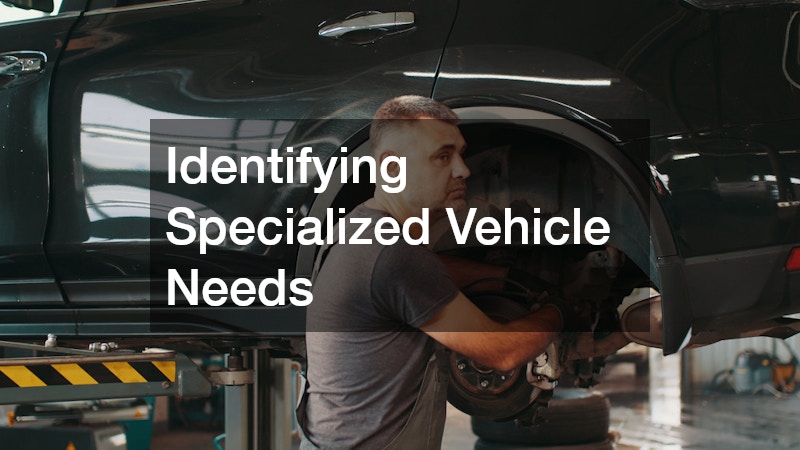
While the fundamental principles of internal combustion remain largely the same across the industry, the specific implementation of those principles varies wildly between different manufacturers and vehicle classes. Modern vehicles are heavily engineered to meet incredibly specific performance, emissions, and luxury targets. Because of this deep specialization, taking a highly engineered specialty vehicle to a generalist mechanic who lacks the proper training or proprietary diagnostic software is a recipe for misdiagnosis, frustration, and damaged components.
Match Your Import Vehicle with Certified Technicians
Imported luxury and performance vehicles, particularly those engineered in Europe, operate on incredibly sophisticated, proprietary electronic networks. These cars often utilize complex fiber-optic communication lines between computer modules, highly intricate active suspension setups, and engines that require highly specific, manufacturer-approved synthetic fluids. A general mechanic might attempt to diagnose a suspension fault using standard tools, entirely unaware that the vehicle requires a proprietary laptop interface to depressurize the air struts before the vehicle can even be safely lifted on a hoist.
The electrical architectures of these vehicles are famously intolerant of aftermarket modifications or generic diagnostic scanners. Highlighting why taking a German, Swedish, or British luxury vehicle to a dedicated European auto repair shop is crucial cannot be overstated. These specialized facilities invest heavily in factory-level diagnostic computers and employ technicians who undergo continuous, manufacturer-specific training. They understand the idiosyncrasies of these complex machines, allowing them to pinpoint phantom electrical drains or complex module communication errors that would leave an uncertified generalist completely baffled and replacing parts by trial and error.
To ensure your specialized import receives the appropriate level of care, follow these guidelines:
-
Verify that the repair facility explicitly advertises specialization in your vehicle’s specific brand, rather than just claiming to work on “all makes and models.”
-
Ask the service manager if their diagnostic equipment is continuously updated with the latest factory software directly from the manufacturer.
-
Confirm that the shop exclusively utilizes fluids—particularly transmission fluid and engine coolant—that carry the exact manufacturer approval codes listed in your owner’s manual.
-
Inquire about the technicians’ specific certifications, looking for credentials that prove they have undergone rigorous, brand-specific continuing education.
-
Build a relationship with an independent specialist facility early in your vehicle’s lifespan, as they can often provide factory-level care without the inflated labor rates of a dealership.
Maintain Heavy-Duty Trucks with Appropriate Expertise
Just as luxury imports require niche knowledge, heavy-duty trucks and commercial vehicles demand a completely different set of mechanical skills. The powertrains found in these massive vehicles are designed for one primary purpose: generating immense amounts of low-end torque to pull massive loads over long distances. They do not operate using spark plugs to ignite fuel; instead, they rely on incredibly high internal cylinder compression to superheat the air, instantly igniting the injected fuel. This high-compression environment necessitates heavy, reinforced engine blocks, massive turbochargers, and complex emissions mitigation systems that simply do not exist on standard passenger cars.
These heavy-duty systems require precise maintenance schedules to function correctly. The fuel injection systems operate at pressures that would instantly destroy standard gasoline injectors, meaning fuel filter maintenance is paramount to prevent microscopic debris from causing thousands of dollars in damage. Drivers of these powerful machines must establish a working relationship with experienced diesel mechanics who implicitly understand the high-torque, heavy-duty nature of these powertrains. These specialists are trained to service complex components like Diesel Particulate Filters (DPF) and intricate exhaust fluid injection systems, ensuring the vehicle maintains its pulling power while adhering to strict environmental regulations.
To properly maintain the pulling power and reliability of a heavy-duty truck, prioritize these actions:
-
Strictly adhere to the replacement intervals for primary and secondary fuel filters to protect the incredibly sensitive, high-pressure fuel injection pump from cavitation and debris.
-
Monitor your exhaust fluid levels diligently and never attempt to bypass or delete factory emissions equipment, as this can severely alter engine performance and violate federal laws.
-
Have the complex turbocharger system inspected regularly for bearing play, oil leaks, and proper boost pressure generation, as failures here can send metal fragments directly into the engine.
-
Ensure that the glow plug system or intake grid heater is tested before the winter months to guarantee reliable starting performance during freezing temperatures.
-
Seek out technicians who have specific, demonstrable experience working on your exact brand of heavy-duty engine, as Cummins, Powerstroke, and Duramax platforms all have unique architectural quirks.
Recovering from Accidents and Cosmetic Damage
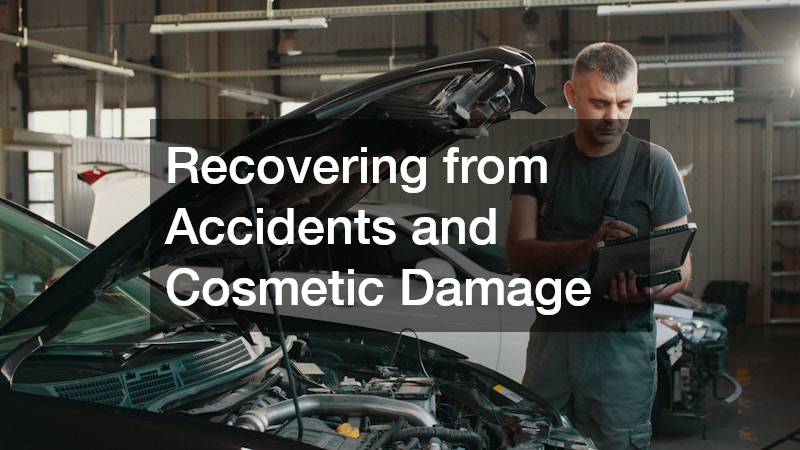
Even the safest, most defensive drivers cannot always control the actions of others on the road or predict sudden environmental hazards. Collisions, minor fender benders, and the inevitable accumulation of cosmetic wear and tear are an unfortunate reality of driving. When the physical structure or exterior finish of your vehicle is compromised, the repair process shifts from mechanical restoration to structural and aesthetic recovery. Knowing how to manage this specific type of repair is essential for maintaining both the safety and the resale value of your investment.
Restore Structural Integrity After an Impact
Modern vehicles are engineering marvels designed specifically to sacrifice themselves to save the occupants during a crash. The chassis is divided into rigid passenger safety cells and meticulously engineered crumple zones. These crumple zones are designed to fold, crush, and absorb the massive kinetic energy of an impact, directing the destructive force away from the driver and passengers. However, once a crumple zone has performed its duty, the structural integrity of the vehicle is deeply compromised. Even a seemingly minor low-speed impact can subtly tweak the underlying unibody frame, altering the suspension geometry and preventing the vehicle from driving straight.
Restoring a vehicle after an impact requires highly specialized, heavy machinery. Laser-guided frame measurement systems are required to pull the crushed metal back to its exact factory dimensions, sometimes down to the millimeter. Furthermore, the modern car is covered in a hidden network of radar sensors, cameras, and impact detectors that govern advanced driver assistance systems like automatic emergency braking and lane-keeping assist. Detailing why choosing a highly-rated auto body collision repair shop is essential ensures that not only is the frame straightened safely, but all advanced safety sensors are accurately recalibrated to function correctly during any future emergencies.
When dealing with the aftermath of an impact, take these critical steps to ensure a safe structural repair:
-
Demand that the facility provides a computerized, laser-measured printout of your vehicle’s frame alignment both before the structural pulling begins and after it is completed.
-
Ask specific questions about the welding techniques being used, ensuring the technicians are utilizing factory-approved spot welding methods rather than structurally inferior techniques.
-
Insist that any compromised safety components, including deployed airbags, crushed impact bars, and stretched seatbelt pretensioners, are replaced exclusively with brand-new, original manufacturer parts.
-
Confirm that the facility has the required diagnostic equipment and specific training to perform a full, dynamic recalibration of all external radar and camera safety systems.
-
Request a detailed, itemized breakdown of the initial estimate, ensuring that no hidden structural damage was overlooked during the initial visual inspection.
Protect Your Vehicle’s Exterior from Rust and Sun Damage
Beyond catastrophic impacts, the exterior of your vehicle is subjected to a constant, daily barrage of environmental abuse. Ultraviolet radiation from the sun aggressively degrades the chemical bonds of the protective clear coat. Acid rain, bird droppings, and tree sap can quickly etch into the paint surface, leaving permanent blemishes. In colder climates, road salt used to melt ice acts as a highly corrosive agent, seeking out tiny rock chips and deep scratches to initiate the aggressive, spreading process of metal oxidation, commonly known as rust.
Maintaining the exterior finish of a vehicle is not merely an act of vanity; it is a critical aspect of preserving the metal body panels and maintaining the overall financial equity you hold in the car. Regular, meticulous hand washing removes abrasive grit and acidic contaminants before they can cause permanent harm. Applying advanced ceramic coatings or high-quality polymer sealants provides a sacrificial layer of defense against UV rays and chemical etching. However, when the damage exceeds what preventative care can manage, utilizing professional car paint services for localized touch-ups, panel blending, or full clear-coat restorations is paramount to halting oxidation and preserving the visual appeal and resale value of the machine.
To effectively protect and restore your vehicle’s exterior finish, implement these protective habits:
-
Wash your vehicle thoroughly at least twice a month using the two-bucket method to prevent dragging abrasive dirt particles across the sensitive clear coat.
-
Address small rock chips immediately with a specialized touch-up pen to seal the exposed bare metal and prevent corrosive moisture from initiating the rusting process.
-
Apply a high-quality wax, synthetic sealant, or professional-grade ceramic coating every few months to create a hydrophobic, UV-resistant barrier over the paintwork.
-
Park in shaded areas, a garage, or utilize a high-quality, breathable car cover to drastically reduce the amount of direct solar radiation degrading the exterior finish.
-
Seek out professionals to seamlessly blend new paint into the existing panels when repairing deep scratches, ensuring the repair is invisible to the naked eye under direct sunlight.
Handling Lockouts and Administrative Essentials
While mechanical failures and physical collisions constitute the bulk of automotive anxieties, there is an entirely separate category of vehicle management that occurs entirely outside the engine bay. Dealing with administrative necessities, financial protections, and sudden access emergencies is just as critical to responsible car ownership as changing the oil. Being caught unprepared in these situations can lead to immense frustration, massive inconvenience, and severe financial vulnerability.
Prepare a Backup Plan for Lost or Broken Keys
In the past, losing a car key was a minor inconvenience solved by a quick, inexpensive trip to the local hardware store to cut a new piece of brass. Today, automotive security has evolved into a highly complex, encrypted ecosystem. Modern smart keys and remote fobs contain tiny radio-frequency identification (RFID) chips that must constantly communicate with the vehicle’s internal immobilizer system using rolling security codes. If the computer does not recognize the encrypted digital handshake from the key, it will physically cut off the fuel supply and disable the starter, turning the vehicle into an immobile vault.
Losing your only set of modern keys can be an incredibly stressful and surprisingly expensive ordeal, particularly if it happens late at night, far from home, or during severe weather conditions. Dealerships often require the vehicle to be physically towed to their location, where they charge exorbitant fees to program a completely new fob. Explaining how calling a mobile auto locksmith is often a significantly faster and more economical solution is vital. These specialized mobile technicians possess the sophisticated programming computers necessary to bypass the immobilizer, cut a new high-security laser key on-site, and sync a new transponder chip to the car’s computer without the need for a costly tow.
To safeguard yourself against the panic of sudden lockouts, establish these preventative measures:
-
Always keep a fully programmed, functional spare key or smart fob stored in a secure, memorable, and accessible location inside your home.
-
Store the contact information of a highly-rated, 24-hour mobile security specialist in your phone’s contact list so you aren’t frantically searching the internet while stranded.
-
Replace the small lithium coin battery inside your smart fob immediately when the dashboard displays a low battery warning, preventing the fob from dying completely while you are away from home.
-
Ensure that any aftermarket remote start or alarm systems are installed strictly by certified professionals, as botched wiring can trigger the immobilizer and lock you out permanently.
-
Consider investing in a small, magnetic hide-a-key box for older vehicles that use traditional metal keys, securing it in an obscure location on the undercarriage.
Review Your Coverage Annually to Ensure Adequate Protection
The final, and arguably most important, pillar of responsible vehicle management is ensuring that you are completely financially insulated against the unimaginable. Automotive collisions can result in tens of thousands of dollars in property damage, and potentially hundreds of thousands of dollars in medical liabilities. Assuming that a bare-minimum, state-mandated insurance policy will protect your assets in the event of a severe, multi-vehicle accident is a dangerous misconception that has led countless drivers into devastating financial ruin.
Vehicle values, medical costs, and personal life circumstances are not static; they fluctuate continuously. Therefore, your financial protection must be continuously evaluated and adjusted. Urging readers to communicate openly and transparently with their auto insurance agency after any major life event—such as a marriage, a move to a new zip code, or the purchase of a new vehicle—is critical to guaranteeing they are never underinsured during a crisis. A comprehensive annual review allows you to scrutinize your current deductible amounts, verify that vital services like emergency roadside assistance and rental car reimbursement are actively included, and ensure your liability limits are high enough to shield your personal savings.
To maintain an impenetrable financial safety net around your automotive life, implement this annual review checklist:
-
Carefully review your bodily injury and property damage liability limits, ensuring they vastly exceed the minimum state requirements to protect your personal assets from litigation.
-
Verify that your policy actively includes comprehensive coverage, which protects your finances against non-collision disasters such as theft, vandalism, hail damage, and animal strikes.
-
Examine your uninsured and underinsured motorist coverage, which acts as a crucial financial shield if you are struck by a driver who illegally possesses no coverage of their own.
-
Discuss adjusting your physical damage deductibles to find the optimal balance between affordable monthly premiums and realistic out-of-pocket expenses in the event of a total loss.
-
Investigate the addition of guaranteed asset protection (GAP) coverage if you are currently financing a newer vehicle, preventing you from owing thousands of dollars on a car that has been totaled.
Being a proactive, responsible vehicle owner is an ongoing process of education and preparation. It requires recognizing that the machine sitting in your driveway demands more than just occasional fuel to remain safe and functional. It demands an understanding of the critical differences between routine preventative care that keeps the engine turning, major internal overhauls that resurrect a failing powertrain, cosmetic and structural restorations that recover a vehicle from a violent impact, and the administrative foresight necessary to handle sudden emergencies.
The most powerful tool any driver can possess is not a socket wrench or a diagnostic scanner; it is proactive, comprehensive knowledge. Waiting until the dashboard lights up with warnings, smoke pours from the hood, or metal crunches in an intersection is the absolute worst time to begin frantically searching for professional assistance. Panic heavily influences decision-making, often leading to rushed choices and massively inflated repair bills that could have been easily avoided with a modicum of foresight.
Take the time today to retrieve the owner’s manual from your glovebox and familiarize yourself with your machine’s specific needs. Review your current service records to see what crucial maintenance might be slipping past its due date. Most importantly, begin researching and building a trusted network of specialized professionals in your local area right now. By establishing these vital connections before disaster strikes, you fundamentally transform the complex, potentially overwhelming experience of car ownership into a safe, manageable, and highly rewarding endeavor.