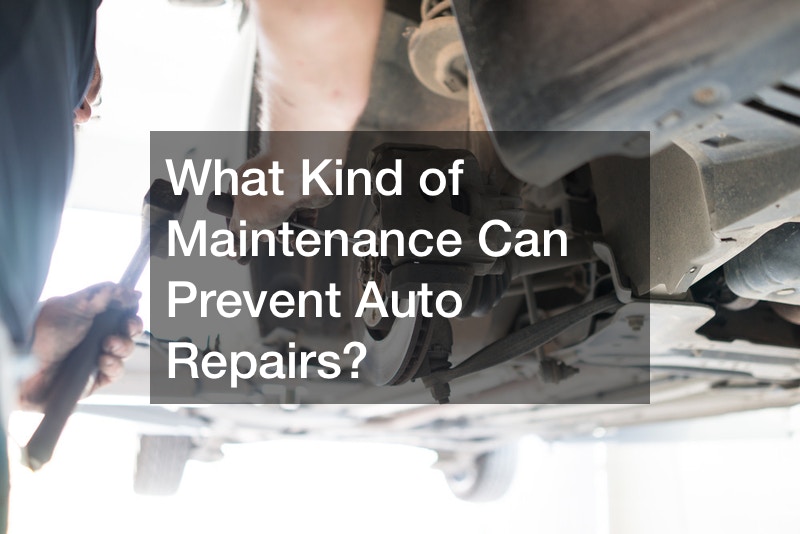
Whats Included in Car Servicing?
Highlights
- Car servicing typically includes an oil and filter change, a multi-point safety inspection, and fluid top-ups all in one visit.
- Logbook servicing follows a manufacturer-set schedule designed to keep your warranty valid.
- Choosing an independent mechanic for car servicing won’t void your new car warranty, thanks to Australian law.
- Brake, tyre, and steering checks are standard inclusions aimed at catching safety issues early.
- A good service should also flag any outstanding manufacturer recalls affecting your vehicle.
- Regular servicing helps reduce fuel consumption and emissions by keeping your engine running efficiently.
What’s Actually Included in Car Servicing?
Car servicing typically includes an oil and filter change, a full multi-point inspection covering brakes, tyres, and steering, fluid top-ups, and a check of key safety systems, all carried out according to a schedule set by your vehicle’s manufacturer. The exact inclusions vary depending on whether it’s a minor or major service, but most visits combine routine maintenance with a broader health check designed to catch small issues before they turn into expensive repairs.
Because car servicing plays such a direct role in vehicle safety and reliability, most mechanics work through a standardised checklist rather than a rough once-over, ensuring nothing gets missed between visits.
What Does a Standard Service Checklist Cover?
Most workshops follow a fairly consistent checklist during a standard service, regardless of make or model:
- Engine oil and filter — drained, replaced, and checked against manufacturer specifications
- Brake system — pads, discs, and fluid levels inspected for wear
- Tyres — tread depth, pressure, and wear patterns checked, with rotation if required
- Fluids — coolant, brake fluid, power steering fluid, and washer fluid topped up as needed
- Belts and hoses — inspected for cracking, fraying, or leaks
- Battery and electrical systems — tested for charge and connection integrity
- Air and cabin filters — replaced if worn or overdue
Not every item is replaced at every visit, since some components only need attention at specific mileage intervals.
Why Does Logbook Servicing Matter for Your Warranty?
Logbook servicing refers to the manufacturer-set maintenance schedule recorded in your car’s service booklet, and sticking to it is important for keeping a new car’s warranty intact. A common misconception is that skipping the dealership and going to an independent mechanic automatically voids that warranty, but that’s not the case under Australian law. According to the ACCC, it’s mandatory for car manufacturers to make service and repair information available, which means consumers can choose an independent repairer to service and maintain their vehicle without losing their consumer guarantee rights. What matters most is that car servicing is carried out at the intervals specified in the logbook, using parts and procedures that meet the manufacturer’s requirements, regardless of which workshop performs the work.
How Do Minor and Major Services Differ?
Not all services are created equal, and understanding the difference helps set realistic expectations for cost and time:
- Minor services — usually cover an oil change, filter replacement, and a basic safety inspection, often every 10,000 to 15,000 kilometres
- Major services — include everything in a minor service plus spark plug replacement, more detailed fluid changes, and a deeper inspection of components like the timing belt or transmission
- Logbook-specific tasks — certain items, like coolant flushes or timing belt replacement, are only due at specific intervals rather than every visit
- Roadworthy inspections — a separate check focused specifically on whether a vehicle meets legal safety standards for registration or resale, rather than general maintenance
Knowing which type of service is due helps avoid both underpaying for work that’s actually needed and being charged for tasks that aren’t due yet.
Why Do Mechanics Check for Outstanding Recalls?
A thorough car servicing visit should also include a check for any outstanding manufacturer recalls affecting your specific vehicle, not just routine wear and tear. According to Vehicle Recalls Australia, recalls occur when a safety issue could cause injury or when a vehicle or component doesn’t comply with Australia’s strict safety standards, and manufacturers typically repair the issue free of charge once identified. Many workshops will run a quick check against your vehicle identification number during a service to flag anything outstanding, since a recall repair addressed alongside routine maintenance saves a separate trip and ensures a known safety issue doesn’t go unresolved. It’s worth asking your mechanic directly whether this check is part of their standard process, since not every workshop includes it automatically.
How Does Regular Servicing Affect Fuel Use and Emissions?
Beyond safety and reliability, car servicing has a measurable effect on how efficiently your vehicle actually runs. According to the Green Vehicle Guide, keeping your vehicle well-tuned minimises its environmental impact by reducing running costs and extending the vehicle’s life, making regular servicing one of the simplest ways to keep fuel consumption in check. A neglected engine, dirty filters, or underinflated tyres can all quietly push up fuel use over time without an obvious symptom, which is exactly why routine servicing catches these issues before they compound. For anyone trying to manage running costs on top of safety, staying on top of car servicing intervals pays off in more ways than just avoiding a breakdown.
What Should You Ask Before Booking a Service?
A few questions before booking help clarify exactly what you’re paying for. Ask whether the quote covers a minor or major service, and what specific tasks are included at this particular interval according to your logbook. Confirm whether genuine or aftermarket parts will be used, since this can affect both cost and warranty compliance. Ask if a recall check is included as standard, and request a written report or checklist afterwards detailing what was inspected, replaced, or flagged for future attention. Getting these details upfront avoids surprises on the invoice and gives you a clear record of your vehicle’s maintenance history.
What’s the Bottom Line on Car Servicing?
Car servicing combines routine maintenance, like oil changes and fluid top-ups, with a broader safety inspection covering brakes, tyres, and steering, all carried out on a schedule set by your vehicle’s manufacturer. Sticking to your logbook schedule protects your warranty, and Australian consumer law means you’re free to choose an independent mechanic without losing that protection. A thorough service should also check for outstanding recalls and contribute to better fuel efficiency by keeping your engine running as intended. Understanding exactly what’s included, and asking the right questions before booking, ensures you’re getting genuine value from every visit rather than just a quick oil change and an invoice.