Managing Repairs for Your Business Fleet and Personal Vehicles
Running a logistics-heavy business or managing a commercial supply chain is an endeavor that demands relentless attention to detail, operational stamina, and an ironclad tolerance for stress. For the business owner or fleet manager, the day rarely ends when the office doors lock. The reality of moving goods and people is that machines break, weather intervenes, and human error occurs. When you are simultaneously responsible for a fleet of commercial assets, a team of sales sedans, and your own personal executive vehicles, the logistical burden of keeping everything functional can feel entirely overwhelming. The phone ringing at three in the morning usually means a vehicle is down, a delivery is delayed, and your profit margins for the week are actively hemorrhaging.
One of the most dangerous and administratively exhausting mistakes a business owner can make is fragmenting their maintenance protocols. It is incredibly common to see a company utilizing one specialized shop for their heavy diesel engines, a different quick-lube station for their light-duty sales cars, a third vendor for tire alignments, and yet another highly specialized dealership for their personal luxury vehicles. This fragmented approach creates an administrative nightmare. It forces you to juggle multiple vendor accounts, navigate conflicting billing cycles, and waste countless hours coordinating the movement of vehicles across town. More importantly, it prevents you from leveraging the massive purchasing power that comes from consolidating your maintenance volume with a single, capable partner.
The purpose of this comprehensive guide is to fundamentally restructure how you view and manage your automotive assets. You cannot afford to be reactive. By systematically auditing your entire fleet, consolidating your service providers, implementing rigorous on-site preventative maintenance, and establishing ironclad protocols for roadside emergencies and post-accident recovery, you can strip the chaos out of your operations. This strategic approach will not only keep your commercial supply chain moving efficiently but will also ensure that your personal assets are protected, allowing you to focus your energy on scaling your business rather than chasing down mechanics.

Audit Your Vehicles and Consolidate Your Service Providers
The very first step in reclaiming control over your maintenance schedule is to understand exactly what you are managing. You cannot optimize a system if you do not have a granular understanding of its components. Many business owners have a general idea of how many trucks or cars they own, but they lack centralized, easily accessible data regarding the specific mechanical history and ongoing needs of each asset.
Your initial action must be to create a comprehensive, centralized database—whether that is a dedicated fleet management software or a rigorously maintained spreadsheet—detailing every single vehicle tied to your enterprise.
This audit must include specific data points for every asset:
- Identification and Lifespan: Record the VIN, make, model, year, and current mileage or engine hours.
- Warranty Status: Clearly outline which vehicles are still covered by factory warranties and the exact expiration dates or mileage caps. This prevents you from paying out-of-pocket for a repair that a dealership should cover.
- Historical Failure Points: Document chronic issues. If a specific delivery van burns through brakes twice as fast as the others, or a particular heavy-duty rig has a history of electrical gremlins, logging this data allows you to anticipate and budget for future failures.
- Current Vendor Assignments: List exactly where each vehicle currently goes for oil changes, major mechanical overhauls, and tire replacements. This will visually highlight the fragmentation of your current system.
Once this audit is complete, your objective is to aggressively consolidate. The administrative and financial benefits of negotiating a corporate rate with a massive, full-service facility are immense. When you bring the combined volume of your commercial trucks and your light-duty cars to a single facility, you transition from being a transactional customer to a highly valued corporate partner. This status often grants you priority bay access, heavily discounted hourly labor rates, and net-30 billing terms that keep your daily cash flow highly fluid.
When evaluating potential facilities for this consolidation, you must look beyond the front office. Ask for a comprehensive tour of the shop floor. You need to verify that their infrastructure matches your diverse needs. Check their ceiling heights and bay door widths to ensure your largest trailers can fit inside out of the weather. Verify that they carry the expensive, frequently updated diagnostic software licenses required for modern computerized engines. A truly capable facility will have cross-trained technicians and dedicated bays, allowing them to seamlessly pivot from performing standard auto repair on your sales manager’s commuter sedan to executing highly complex freightliner repairs on your primary cross-country transport rigs. By placing all your assets under one roof, you eliminate the daily chaos of vendor management.
Implement Preventative Diagnostics to Minimize Roadside Downtime
A commercial vehicle only generates revenue when its wheels are turning. The moment a truck breaks down on the side of a highway, it transforms from a revenue-generating asset into a massive financial liability. The true cost of a roadside breakdown extends far beyond the price of the replacement part. You must calculate the driver’s idle wages, the potential late delivery penalties imposed by your clients, the cost of spoiled refrigerated cargo, and the incalculable damage to your company’s reputation for reliability.
To mitigate these catastrophic losses, you must fundamentally shift your maintenance philosophy from a “reactive” model—where you only fix things when they break—to a fiercely “proactive” model. The goal is to identify and replace failing components in the controlled environment of your own yard, long before they can fail under the stress of a fully loaded trailer at highway speeds.
Implementing a rigorous preventative diagnostic program requires discipline and strategic scheduling:
- Mileage-Based Milestones: Do not rely on your drivers to tell you when a truck “feels” wrong. Establish strict, non-negotiable service intervals based on mileage or engine hours for fluid changes, belt inspections, and brake pad measurements.
- Pre-Trip and Post-Trip Enforcement: Mandate that your drivers perform thorough, documented inspections before they turn the key and after they park for the night. Catching a frayed air line or a balding tire in the depot costs a fraction of what it costs to address on the interstate.
- Off-Hour Servicing: The most efficient fleets do not pull trucks off the road during business hours for oil changes. They schedule preventative maintenance during the evenings or over the weekend when the trucks are naturally idle.
To execute this proactive strategy without constantly shuttling vehicles back and forth to a shop, you should heavily rely on specialized field mechanics. Negotiate a contract with your consolidated vendor to provide routine mobile truck repair directly in your commercial yard. Having a technician come to your location to adjust air brakes, swap out batteries, and perform computerized diagnostic scans keeps your drivers out of waiting rooms and on the road. Furthermore, this same vendor must be equipped to deploy comprehensive mobile truck and trailer repair units for those rare occasions when a spontaneous highway breakdown does occur. A fully stocked service truck arriving on the shoulder of the highway can often replace a blown coolant hose, patch a pneumatic leak, or force a diesel particulate filter (DPF) regeneration, saving you the massive expense and delay of a tow.

Establish an Immediate Action Plan for Catastrophic Breakdowns
Despite the most rigorous preventative maintenance programs, catastrophic mechanical failures will eventually occur. Engines seize, transmissions fail, and axles break. When a severe breakdown happens on a busy interstate, the situation immediately escalates from a mechanical inconvenience to a high-stakes safety hazard. If you do not have a concrete, pre-established action plan, the ensuing panic will lead to poor decisions, compromised driver safety, and drastically inflated recovery invoices.
You must never wait until a rig is sitting disabled on the shoulder of a dark highway at 2:00 AM to start searching the internet for recovery vendors. By that point, you are entirely at the mercy of whoever answers the phone, and you will undoubtedly pay exorbitant, unregulated emergency rates.
Your breakdown protocol must be established today, and it must prioritize safety above all else:
- Driver Safety Protocols: Instruct your drivers that their immediate priority is to safely guide the failing vehicle as far off the active roadway as possible. They must immediately deploy their reflective safety triangles at the federally mandated distances behind the trailer to warn oncoming traffic. Once the perimeter is secure, the driver should remain safely inside the cab with their seatbelt fastened while waiting for recovery, as standing on the shoulder of an interstate is incredibly dangerous.
- Centralized Dispatch: Your drivers should not be responsible for coordinating their own recovery. They should make one phone call to a designated fleet manager or operations dispatcher within your company. This centralizes the decision-making process and ensures that your pre-vetted vendors are utilized.
- Pre-Contracted Recovery: Long before an emergency strikes, you must meet with local recovery operators, review their equipment, and sign a priority service contract. This guarantees response times and locks in your hourly rates, preventing price gouging during a crisis.
When dealing with massive commercial assets, you must understand the physics of recovery. Moving a combination vehicle that weighs 80,000 pounds is a highly specialized engineering feat. A standard municipal tow truck company that primarily moves broken-down passenger cars is not legally permitted, nor mechanically equipped, to handle a fully loaded tractor-trailer. Attempting to pull a commercial rig with undersized equipment can rip the bumper off, severely damage the steering geometry, or drop the driveshaft. You must explicitly contract with a vendor that specializes in heavy duty towing. These operators utilize massive, multi-axle wreckers equipped with hydraulic underlifts and heavy-duty winches designed specifically to cradle the axles of a commercial truck, safely lifting and transporting the massive weight without causing secondary structural damage to your expensive asset.
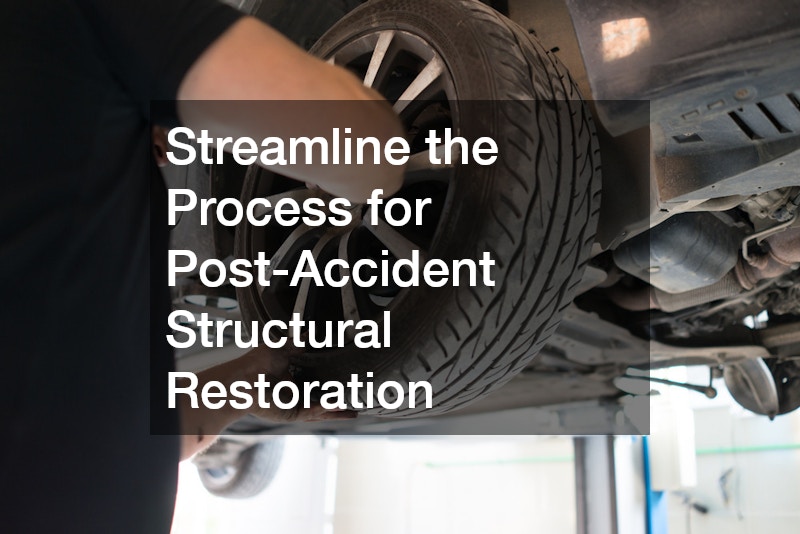
Streamline the Process for Post-Accident Structural Restoration
While mechanical breakdowns are frustrating, vehicular accidents introduce an entirely new layer of administrative complexity and financial liability. Whether it is a delivery van being rear-ended in city traffic or one of your 18-wheelers swiping a concrete barrier, navigating the aftermath of an accident requires a meticulous, highly organized approach. The moments following a collision are critical for liability protection, and the subsequent weeks are a battle against accumulating administrative fees and insurance delays.
The first rule of accident management is establishing a single point of contact within your organization. Dealing with police reports, opposing insurance adjusters, and your own insurance brokers is a full-time job. If this responsibility is shared among multiple dispatchers or managers, crucial paperwork will fall through the cracks, delaying the ultimate repair and return of the vehicle.
To minimize your financial exposure and streamline the restoration, follow these critical steps:
- Rapid Impound Extraction: When a severe accident occurs, local police will often mandate that the vehicle be removed from the roadway immediately by their own contracted rotational towers, who will then take the vehicle to a municipal impound lot. These lots often charge upwards of $150 to $200 per day in storage fees. Your designated accident manager must prioritize releasing the vehicle and coordinating its immediate extraction from the impound lot before those daily fees decimate your repair budget.
- Structural Verification: Commercial vehicles endure massive kinetic forces during a collision. While a smashed fiberglass hood is obvious, the hidden damage is what makes a vehicle unsafe. Ensure the facility repairing your vehicle utilizes computerized, laser-guided measuring systems to verify that the steel frame rails are perfectly straight and the axles are in flawless alignment before the vehicle is ever allowed back into service.
- OEM Parts Procurement: Demand that your repair facility uses Original Equipment Manufacturer (OEM) parts whenever possible, especially for structural components and sensors. Aftermarket body panels often have poor fitment, which can cause aerodynamic drag and decrease fuel efficiency over the remaining life of the truck.
To execute this rapid extraction and repair, you should utilize your pre-vetted, contracted tow truck service to move the wrecked asset directly from the expensive municipal impound lot to a trusted facility equipped for comprehensive auto collision repair. This ensures that the vehicle is immediately placed in the hands of technicians who understand the specific safety tolerances of commercial fleet vehicles. A highly qualified body shop will not only replace the mangled exterior panels but will also recalibrate the complex radar and camera sensors that govern the truck’s modern collision-avoidance systems, ensuring the repaired asset is structurally sound and legally compliant before it hauls another load.

Elevate and Protect Your Personal Executive Assets
While the bulk of your operational energy is naturally directed toward the heavy commercial fleet that generates your company’s revenue, you cannot neglect the vehicles that represent the executive tier of your business. Your personal luxury vehicle, as well as the high-end cars driven by your upper management or top sales executives, serve a distinct and vital purpose. They are an extension of your corporate brand. Arriving at a high-stakes client meeting, a banking negotiation, or a real estate site visit in a vehicle that is unwashed, dented, or suffering from mechanical issues sends an immediate, subconscious message of instability and lack of attention to detail.
Managing these executive assets requires a different approach than managing a diesel work truck. The engineering tolerances in modern luxury vehicles are incredibly tight, and the technology is vastly more complex.
To ensure your personal vehicles accurately reflect your professional success, you must implement the following strategies:
- Aesthetic Superiority: The environment around a commercial trucking depot is inherently hostile to automotive paint. Airborne diesel soot, industrial fallout, hydraulic fluid splatters, and heavy road salt will rapidly degrade the clear coat of a luxury car parked in the company lot. You must proactively protect the exterior.
- Interior Preservation: Executive cars are often mobile offices. Spilled coffees, ink stains, and the daily friction of getting in and out of the vehicle wear down premium leather interiors. Schedule professional interior detailing on a strict monthly rotation to condition the leather and extract the carpets, maintaining the new-car environment.
- Strict Maintenance Adherence: Luxury vehicles do not tolerate deferred maintenance. Ignoring a minor sensor warning on a high-end European sedan can quickly cascade into a catastrophic failure of the entire electronic bus system.
When you initially consolidate your fleet maintenance, it is highly advantageous to ensure your chosen large-scale facility also houses a dedicated division for high-end consumer vehicles. You need mechanics who hold specific factory certifications and possess the proprietary, highly expensive diagnostic computers required for intricate tasks like complex BMW repairs. You do not want a heavy-diesel mechanic guessing their way through the intricate variable valve timing system of your German sports sedan. Furthermore, to combat the harsh environment of your commercial yard, consider having the facility apply a professional ceramic coating service to your personal vehicle. This liquid polymer chemically bonds to the factory paint, creating a permanent, ultra-hard, hydrophobic glass layer that repels industrial grime, prevents UV fading, and ensures your executive car maintains a flawless, mirror-like finish with minimal washing, perfectly reflecting the high standards of your business.
Conclusion
Managing the mechanical health of a diverse business fleet alongside personal executive vehicles is an intricate balancing act that leaves no room for disorganized, reactive behavior. The financial consequences of a broken supply chain and the administrative friction of dealing with a dozen different repair shops will inevitably drain the energy you need to actually lead and scale your company. By refusing to accept this chaos as a normal part of doing business, you take a monumental step toward operational excellence.
Regaining control requires a systemic overhaul of your maintenance philosophy. It begins with a meticulous audit of every asset you own and the aggressive consolidation of your service providers. It demands the discipline to implement proactive, on-site diagnostics that stop breakdowns before they happen, and the foresight to establish ironclad, pre-contracted emergency protocols for when the unpredictable inevitably occurs. By streamlining your post-accident recovery processes, you protect your bottom line from predatory storage fees, and by elevating the care of your personal vehicles, you ensure your corporate image remains unblemished.
The transition from a fragmented, reactive schedule to a unified, highly strategic maintenance program takes effort to establish, but the return on investment is immediate and profound. You trade daily putting out of fires for predictable budgets, reliable delivery schedules, and unparalleled peace of mind. Do not wait for the next catastrophic breakdown to force your hand. Take action this week: compile your vehicle data, reach out to a comprehensive, large-scale facility manager, and begin the process of building a unified, professional maintenance partnership that will actively support the long-term success of your entire enterprise.