How to Manage Unexpected Repairs for Cars and Trucks

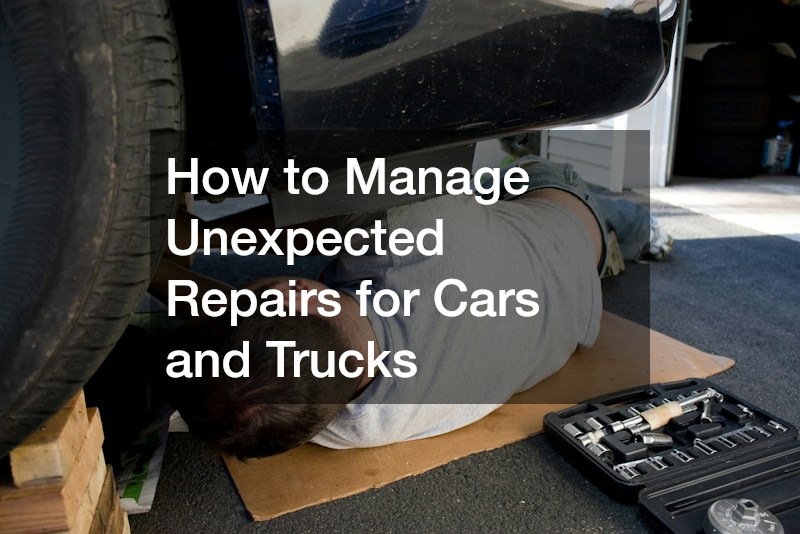
The sudden ping of a dashboard warning light or the harsh, unexpected grinding sound from under the hood can instantly ruin any drive. Whether you are commuting to work in a sedan or hauling heavy cargo across state lines in a commercial rig, mechanical breakdowns are an inevitable part of vehicle ownership. The difference between a minor inconvenience and an expensive, schedule-destroying disaster often comes down to preparation, quick decision-making, and knowing how to handle the situation step by step.
Managing unexpected repairs is not simply about reacting when something goes wrong on the highway. It requires a comprehensive approach that covers roadside safety, mechanical diagnosis, long-term exterior protection, financial planning, and an understanding of your legal rights if an emergency leads to an accident. By establishing a clear management strategy before trouble starts, you can protect both your vehicle and your wallet.
Building an Emergency Breakdown Protocol

When a vehicle fails unexpectedly on the open road, your immediate priority must be ensuring your safety, as well as the safety of any passengers and other road users. Panic can lead to poor decision-making, increasing the risk of secondary accidents, especially on busy highways. It is crucial to remain calm and assess the situation quickly but thoughtfully.
The moment you suspect that your vehicle is experiencing a critical mechanical failure, you should activate your hazard lights. This action serves as a signal to other drivers that your vehicle is compromised, thus alerting them to proceed with caution around you. Begin to smoothly guide your vehicle toward the right shoulder of the road or a safe off-ramp. It is vital to avoid making any sharp turns or sudden braking, as these actions could cause your vehicle to skid or confuse the traffic trailing you, potentially leading to collisions.
Once you have safely come to a stop, engage the parking brake to prevent any movement of your vehicle. Turn the steering wheel away from traffic direction, which can help lessen the impact risk if an accident were to occur. To enhance your visibility to other motorists and ensure their understanding of your predicament, set up visibility markers around your vehicle. These can include reflective triangles or LED flares placed at strategic distances behind your vehicle, effectively catching the eye of oncoming drivers and encouraging them to provide you with the necessary berth as they navigate around your stalled vehicle.
Handling a breakdown in a passenger car can be relatively straightforward, thanks to the wide availability of roadside assistance services. However, managing a situation involving a commercial rig or a heavy-duty vehicle requires a tailored approach and specialized logistics. Most standard roadside assistance subscriptions do not account for large commercial vehicles or those carrying heavy payloads, potentially leaving drivers in a bind. Therefore, it is wise to keep the contact information of a trusted local truck towing service saved in your phone or on a readily accessible list. This foresight ensures that you are not left stranded for prolonged periods, waiting for a light-duty tow truck that is insufficient to manage your vehicle’s gross weight.
When it becomes necessary to call for assistance, effectively communicating with the service provider is key. Clearly relay your exact location to avoid any delays. Include in your communication the type of vehicle you are driving and whether you are carrying any load. The provision of such precise details will allow the dispatch team to make an informed decision and send the appropriate recovery vehicle. A recovery vehicle properly rated for heavy-duty frames is crucial to safely towing your vehicle, thereby minimizing the potential for further damage to vital components such as your suspension or drivetrain during transportation.
Diagnosing and Handling Critical Mechanical Failures
Once your vehicle is safely off the road or in a shop, diagnosing the issue accurately is essential to avoiding unnecessary expense. Modern vehicles rely on complex interconnected systems, meaning a single symptom could point to multiple underlying problems. Driver awareness is your first line of defense; paying attention to changes in handling, strange odors, or unusual sounds allows you to address mechanical wear before it triggers a catastrophic failure.
Braking systems, for example, rarely fail without warning. They typically communicate wear through high-pitched squealing, pedal pulsation, or a soft, spongy feeling when stopping. Scheduling a timely auto brake service when these early signs appear can save thousands of dollars by replacing simple wear items like pads before they destroy expensive rotors and calipers. Ignoring these warnings not only increases repair costs but also severely compromises your vehicle’s stopping distance and safety.
When complex engine, transmission, or electrical issues arise, finding a trustworthy repair facility is paramount. A reliable auto repair shop will provide a detailed diagnostic breakdown, explain why specific components failed, and prioritize necessary repairs versus optional maintenance. Always request a written estimate before authorizing any work, and ask the technician to show you the worn or broken parts. This transparency ensures you understand exactly what you are paying for and helps you make informed choices about your vehicle’s upkeep.
To handle mechanical emergencies effectively, always begin by pulling over safely to move completely clear of active traffic lanes and turning on your hazard lights immediately. Next, secure the perimeter by setting up warning triangles or flares at measured distances behind your vehicle. Before calling a technician, document your symptoms by taking detailed notes on smells, sounds, dashboard lights, or fluid leaks. Finally, review estimates carefully to ensure all parts, labor rates, and diagnostic fees are itemized in writing before authorizing any repairs.
Navigating Heavy-Duty Equipment and Fleet Emergencies
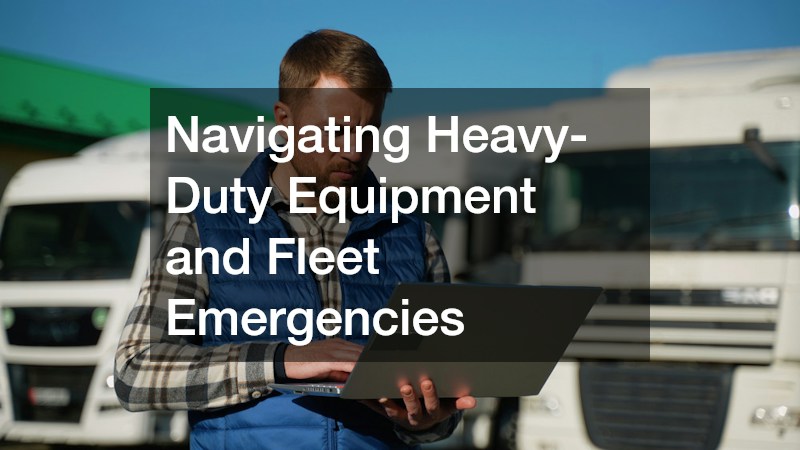
Managing repairs for commercial fleets and heavy-duty vehicles involves challenges that standard passenger car owners never face. Class 7 and Class 8 trucks operate under immense physical stress, carrying heavy loads over long distances daily. These trucks are not merely vehicles; they are the lifeblood of numerous industries, enabling the transportation of goods crucial for both domestic and global supply chains. When a commercial vehicle experiences a breakdown, the financial loss extends far beyond the immediate repair bill. Each hour the vehicle sits idle represents not only lost revenue but also missed delivery windows that can disrupt entire supply schedules and result in hefty contract penalties for late deliveries.
Commercial vehicles have needs that reach far beyond the capabilities of a standard auto repair shop. They require dedicated facilities equipped to deal with the unique demands of high-capacity air systems, complex heavy-duty diesel engines, and intricate specialized emissions controls. Regular mechanics, accustomed to dealing with passenger cars, often lack the necessary heavy hoisting equipment and specialized diagnostic software demanded by the complex nature of truck repair tasks. In hiring services from facilities that specialize exclusively in commercial equipment, fleet operators gain access to technicians who are not only well-versed in the intricate workings of large vehicles but also thoroughly aware of federal safety standards.
When structural components such as high-torque transmissions or heavy axles suffer damage, the solution is not as simple as it might be for smaller vehicles. Specialized heavy truck repair facilities provide the essential technical resources required to complete repair jobs safely and correctly. These facilities boast frame-straightening machinery that can revert a bent frame to its original alignment, specialized welding equipment tailored for heavy-duty materials, and high-capacity lifts designed specifically to handle industrial rigs with precision.
Preserving Exterior Value and Preventing Structural Wear
While mechanical failures take center stage during a breakdown, long-term vehicle health is equally dependent on maintaining structural and exterior integrity. Environmental elements like road salt, chemical de-icers, gravel, tree sap, and intense UV rays cause gradual wear that undermines a vehicle’s value. Corrosion can weaken body panels, undermine frame stability, and turn minor surface scratches into expensive body shop visits over time.
Preventative exterior protection is a smart investment for owners who want to avoid premature body repairs. Installing paint protection film on high-impact areas—such as the front bumper, hood edges, and side mirrors—creates a durable, clear barrier that absorbs impact from flying road debris. This pliable film prevents stone chips and deep scratches that would otherwise expose bare metal to moisture and corrosive road chemicals.
For broader protection across the entire bodywork, chemical treatments provide an added layer of defense against environmental damage. Applying advanced auto ceramic coatings seals the clear coat with a hydrophobic layer that repels water, mud, and road grime. This slick barrier makes routine cleaning significantly easier while preventing harmful contaminants from bonding to the paint surface. Protecting your vehicle’s exterior preserves its resale value and prevents environmental degradation from turning into costly rust repairs down the road.
A solid long-term exterior maintenance routine includes washing your vehicle regularly and cleaning the undercarriage frequently during winter to remove corrosive road salts. You should inspect high-wear areas often, checking the hood, bumper, and wheel wells for deep paint chips that expose raw metal. It is also beneficial to apply protective barriers like clear film on vulnerable front surfaces to absorb impact from rocks and gravel. Finally, seal the finish by treating exterior surfaces with high-grade coatings to repel moisture and environmental contaminants.
Financial Safeguards and Managing Cost Surprises
An unexpected repair bill can quickly strain your finances if you lack a dedicated management strategy. The best way to soften the blow of a sudden mechanical failure is to establish a dedicated emergency vehicle fund. Setting aside a small amount each month based on your vehicle’s age, mileage, and daily usage creates a financial safety net that covers unexpected shop visits without requiring high-interest credit cards or loans.
Beyond personal savings, understanding how to leverage your financial policies can significantly reduce out-of-pocket expenses during a breakdown or roadside incident. Managing your coverage starts with auditing your policy details annually to ensure adequate protection levels across comprehensive and collision options. You should also check for add-ons to verify whether your policy includes roadside assistance, towing limits, or rental car reimbursement. Be sure to understand your deductibles so you can balance monthly premium costs against out-of-pocket expenses you can afford in an emergency. Lastly, document damage thoroughly by taking clear, time-stamped photos of all vehicle damage before any repairs or towing begin.
Reviewing your auto insurance policy annually ensures you know exactly what is covered in the event of an unexpected incident. While standard policies do not cover routine mechanical wear and tear, comprehensive and collision coverages protect against sudden damage caused by road debris, fallen branches, flooding, or accidents. Knowing your policy limits, deductibles, and roadside assistance options helps you make smart decisions when an emergency occurs.
Legal Guidance After Crashes and Roadside Incidents
Sometimes, an unexpected mechanical failure or roadside emergency leads to a collision, creating complex legal and financial liabilities. When heavy commercial rigs or multiple vehicles are involved in an incident, the process of determining fault, assessing damages, and negotiating with insurance carriers becomes exceedingly complicated. Understanding your legal rights and securing qualified representation early is critical to protecting your interests.
Accidents involving commercial vehicles require specialized legal knowledge due to the complex web of state and federal trucking regulations that govern fleet operations. Partnering with an experienced truck accident attorney ensures that critical evidence—such as electronic logging device data, driver history, maintenance records, and dashcam footage—is preserved before it can be lost or overwritten. An attorney familiar with commercial transport laws can navigate corporate defense strategies and work to secure fair compensation for property damage and personal injuries.
Legal complications can also arise if an incident involves allegations of driver impairment or severe traffic violations. In these high-stakes situations, securing the services of the best drunk driving attorney is essential for navigating the legal system, safeguarding constitutional rights, and ensuring a fair process. Whether dealing with commercial liability or serious traffic charges following an accident, having skilled legal counsel allows you to handle the legal ramifications of a roadside emergency with confidence.
Using This Guide for Car and Truck Repairs
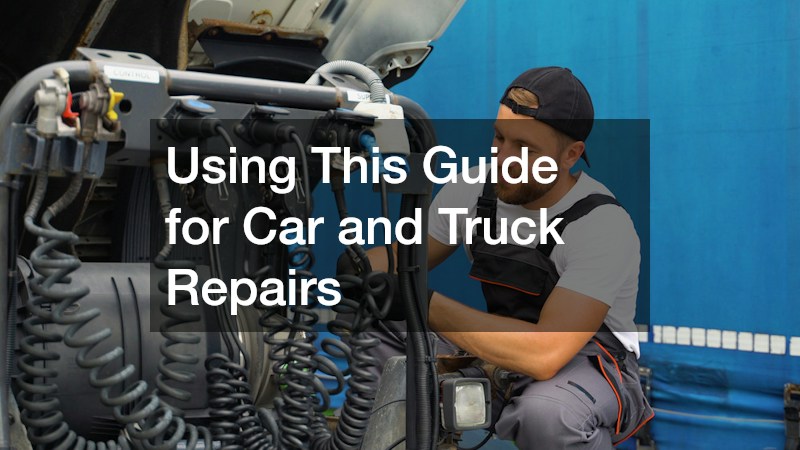
Managing unexpected car and truck repairs requires a balanced combination of preventative maintenance, clear emergency planning, exterior protection, financial readiness, and legal awareness. By taking proactive steps—such as keeping emergency contacts handy, addressing minor mechanical issues promptly, preserving your vehicle’s bodywork, and understanding your insurance and legal options—you can transform a stressful breakdown into a manageable situation. Staying prepared ensures that when the unexpected happens, you have the knowledge and tools needed to get back on the road safely and efficiently.