Protecting Your Investment After a Drunk Driving Incident
A drunk driving incident can turn an ordinary evening into a long, stressful chapter of paperwork, repairs, insurance calls, and financial uncertainty. Even if you were not at fault, the ripple effects can reach far beyond the moment of impact. Your vehicle is likely one of your largest personal investments. Protecting it requires more than just fixing visible damage.
This guide walks through the practical, strategic steps you can take to safeguard your car’s value, your financial stability, and your long-term ownership experience after a drunk driving incident.
Take Immediate Legal Steps To Protect Yourself Financially

In the first hours after an accident involving impaired driving, it’s easy to focus only on visible damage. But some of the most important steps happen off the roadway.
If the other driver was intoxicated, legal complexity increases. Consulting a local car accident attorney early can help you understand your rights, especially when injuries, major damage, or disputes about fault are involved. An attorney can help preserve evidence, coordinate with insurance companies, and advise you on whether you may be entitled to compensation beyond standard repair costs.
If you were charged with driving under the influence, speaking with a drunk driving lawyer immediately is critical. Beyond fines and potential license suspension, a conviction can affect insurance rates, employment, and long-term financial stability. Protecting your vehicle investment also means protecting your broader financial health.
In the first 72 hours:
- Obtain a copy of the police report.
- Document the scene with photos and videos.
- Write down your own recollection while it’s fresh.
- Notify your insurer promptly.
- Avoid signing settlement agreements without reviewing them carefully.
One often-overlooked issue is diminished value. Even after repairs, a car involved in a serious accident may be worth less in the resale market. An attorney can advise whether pursuing a diminished value claim makes sense in your situation.
The key takeaway: legal guidance isn’t just about courtroom defense. It’s about preventing long-term financial erosion.
Preserving Evidence Before It Disappears
Evidence fades quickly after a crash. Skid marks wash away. Surveillance footage is overwritten. Witnesses become harder to reach.
Taking immediate action strengthens your position.
Beyond basic photos, consider documenting:
- Traffic signals and signage at the intersection
- Road conditions and lighting
- Damage to surrounding property
- Injuries (even minor ones)
- The other vehicle’s license plate and visible damage
Save all communication related to the accident, including texts, emails, and insurance messages. Keep everything organized in one folder—physical or digital.
An attorney can use this material to support liability arguments or compensation claims. Without documentation, disputes often devolve into one driver’s word against another’s.
Understanding How Criminal Charges Affect Financial Risk
If you are facing DUI charges, the impact extends well beyond the immediate penalties.
A conviction can trigger:
- Dramatic insurance premium increases
- Mandatory high-risk insurance filings
- Employment consequences for certain professions
- Loan approval complications
This is why speaking with a drunk driving lawyer is not simply about minimizing fines. It’s about containing long-term financial fallout.
Even if your primary concern is your vehicle, remember that rising insurance costs over several years can exceed the repair bill itself. Addressing the legal matter strategically can prevent compounding financial strain.
Managing Insurance Conversations Strategically
Insurance adjusters are trained to gather information efficiently. Their role is not inherently adversarial, but it is not purely advisory either.
When speaking with your insurer or the other driver’s carrier:
- Stick to factual descriptions.
- Avoid speculation about fault.
- Do not downplay injuries or damage prematurely.
- Request all communications in writing when possible.
Before accepting any settlement, especially one that seems fast or convenient, review it carefully. Quick offers sometimes overlook hidden damage, medical follow-ups, or diminished value.
Legal counsel can review proposed settlements to ensure they reflect the true financial impact of the accident.
The Overlooked Impact Of Diminished Value
Even after flawless repairs, an accident history can reduce resale appeal. Buyers often hesitate when they see a prior collision listed on a vehicle history report.
Diminished value refers to the difference between your vehicle’s market value before the accident and after repairs are completed.
This loss is not always automatically included in insurance payouts. In many cases, it must be pursued separately.
An attorney can evaluate:
- The severity of the damage
- The age and condition of the vehicle
- Local resale market conditions
- Whether your state recognizes diminished value claims
For newer or higher-value vehicles, the difference can be substantial.
Thinking Beyond The Immediate Crisis
In the chaos of an accident involving alcohol, it’s tempting to treat the situation as a one-time disruption. But the financial consequences can unfold over months or years.
Legal guidance provides clarity during a moment when emotions run high. It helps you move from reaction to strategy.
Instead of simply fixing a car and moving on, you’re making decisions that protect:
- Your long-term financial stability
- Your credit and insurability
- Your vehicle’s market value
- Your professional future
That broader perspective is what ultimately safeguards your investment.
Document All Vehicle Damage Before Repairs Begin
Before your car enters any repair facility, slow down and document everything.
Insurance adjusters and repair technicians focus on restoring functionality. You, however, should focus on preserving value. That starts with thorough documentation.
Walk around the vehicle in good lighting. Photograph:
- Every exterior panel
- Wheel wells and undercarriage (if visible)
- Interior damage
- Dashboard warning lights
- Glass cracks and chips
Even small imperfections matter. A seemingly minor scrape can later become a point of dispute.
When discussing car collision repair options, ask detailed questions:
- Is there frame damage?
- Will OEM parts be used?
- Are structural weld points affected?
- Will sensors require recalibration?
Choosing the right auto body shop is equally important. Look for facilities that:
- Provide written, itemized estimates
- Offer before-and-after photo documentation
- Use manufacturer-approved repair procedures
- Provide warranties on workmanship
Ask them directly how the repair may affect resale value. An experienced technician will give you a realistic answer, not just reassurance.
Proper documentation protects you if additional damage is discovered later and strengthens your position if you pursue compensation.
Address Glass Damage Early To Prevent Bigger Issues
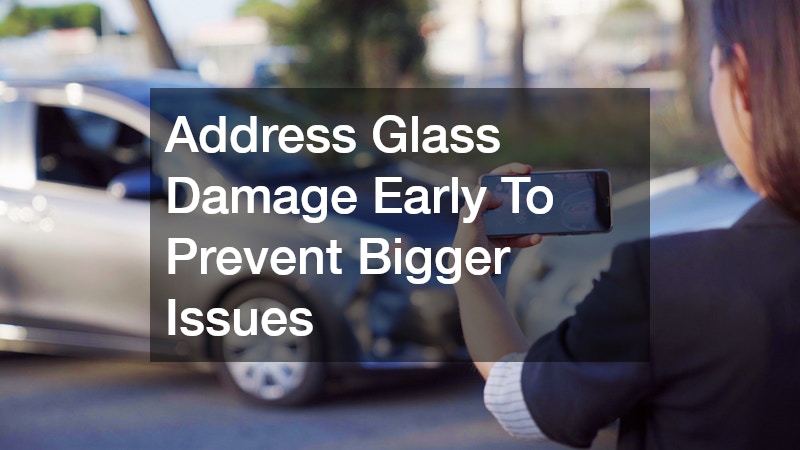
Glass damage often looks cosmetic at first. A small crack across the windshield can seem harmless. It isn’t.
Windshield repair should happen quickly because temperature changes, road vibrations, and minor impacts can cause cracks to spread rapidly. In modern vehicles, the windshield contributes to structural integrity and houses sensors for driver assistance systems.
If replacement is required, confirm that the glass meets the manufacturer’s specifications. After installation, ensure that cameras and safety sensors are recalibrated correctly.
Many drivers also take this moment to evaluate auto glass tinting. If your previous tint was damaged or removed during replacement, restoring proper tint levels helps maintain UV protection, interior temperature control, and privacy. Make sure any tint complies with local regulations.
Delaying glass repair can lead to:
- Failed vehicle inspections
- Reduced structural safety
- Water intrusion
- Higher replacement costs
Addressing glass damage promptly protects both safety and long-term vehicle value.
Restore Exterior Condition To Preserve Resale Value
First impressions matter. Even if mechanical systems are flawless, visible damage lowers perceived value dramatically.
Minor dents are common after collisions, especially in parking lot impacts or low-speed crashes. Professional dent removal—particularly paintless techniques—can restore panels without repainting, preserving original factory finishes. Original paint is often more valuable to buyers than repainted panels.
When repainting is necessary, color matching must be exact. Ask for documentation confirming blending procedures were used to prevent noticeable transitions.
Some owners consider car wraps after repairs. A high-quality wrap can:
- Protect repaired paint from further damage
- Provide a uniform appearance across panels
- Offer reversible customization
- Shield against minor scratches and UV fading
However, wraps should not conceal unresolved structural damage. They are protective and cosmetic solutions, not structural fixes.
If you plan to sell within a few years, restoring a clean, cohesive exterior is one of the most impactful investments you can make post-accident.
Inspect Wheels And Suspension For Hidden Damage
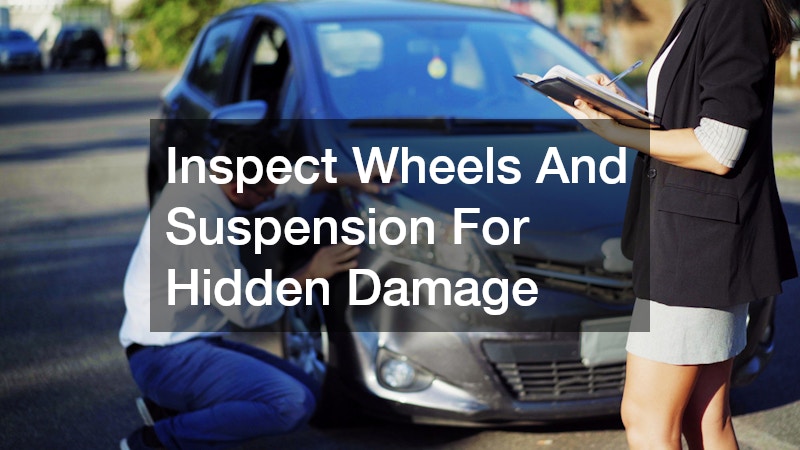
Not all accident damage is obvious.
Even moderate impacts can affect alignment, suspension components, and wheels. A car may drive straight initially but develop uneven tire wear months later.
If your vehicle has custom wheels, inspect them carefully. Hairline fractures or bends may not be visible without professional equipment. Damaged wheels compromise safety and can lead to blowouts or vibration at highway speeds.
During follow-up car collision repair inspections, request:
- Full alignment measurements
- Suspension component checks
- Brake inspection
- Underbody structural review
Ask for printed alignment reports. These serve as proof that the vehicle was restored to factory specifications.
Ignoring hidden mechanical damage often results in long-term costs that exceed the original repair expense. Proactive inspection prevents gradual value decline.
Reassess Your Insurance Coverage Moving Forward
After a serious incident, many drivers realize their coverage was either insufficient or unexpectedly restrictive.
Review your policy carefully. Pay attention to:
- OEM versus aftermarket part coverage
- Rental reimbursement limits
- Diminished value provisions
- Comprehensive and collision deductibles
A local car accident attorney can sometimes assist in disputes over repair quality or compensation limits.
Also, confirm your chosen auto body shop meets insurer requirements while still protecting your interests. You are typically allowed to choose your repair facility. Insurance companies may recommend preferred shops, but you do not have to accept that recommendation automatically.
This is also the time to consider umbrella policies or higher liability limits, especially if you have significant assets to protect.
Insurance planning is not just about compliance. It’s about financial resilience.
Protect Your Vehicle’s Technology And Electrical Systems
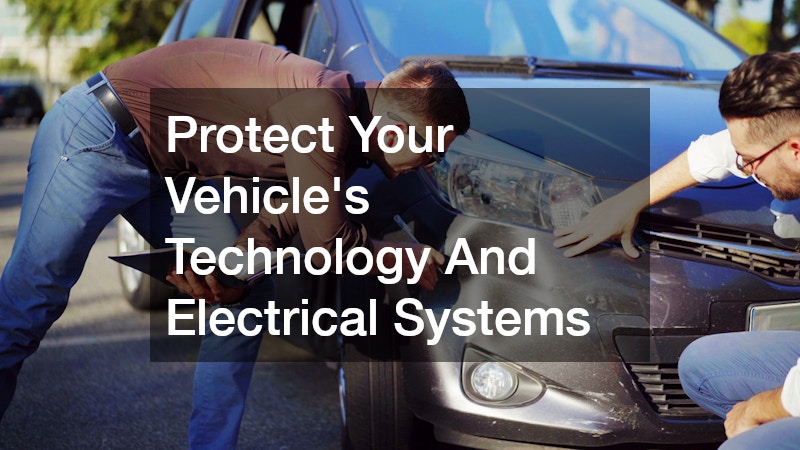
Modern vehicles are essentially computers on wheels. After an accident, technology must be evaluated carefully.
Advanced driver-assistance systems (ADAS) rely on cameras, radar sensors, and precise calibrations. Even slight misalignment can compromise features like lane departure warnings and automatic emergency braking.
If you drive an electric vehicle, inspect the battery housing and charging systems. Damage near charging ports or undercarriage areas should be examined thoroughly. If you use a home EV charger, confirm that charging connections remain stable and that no error codes appear after the incident.
Vehicles with custom wheels may also require recalibration of tire pressure monitoring systems or stability control sensors.
Diagnostic scanning is essential. Request a full system scan and retain the report for your records.
Technology issues may not surface immediately. Monitoring your dashboard for unusual alerts in the weeks following repairs is wise.
Create A Long-Term Maintenance Plan After Repairs
Repairs are not the final step. They are the beginning of a monitoring period.
Create a simple follow-up schedule:
- Inspect repaired panels after 30 days.
- Monitor glass areas repaired through windshield repair for spreading cracks.
- Check paint surfaces where dent removal was performed for bubbling or discoloration.
- Listen for new noises while driving.
Keep all receipts and documentation organized in both physical and digital formats. If you sell the car later, presenting detailed repair records builds buyer trust.
Consider scheduling a second inspection three to six months after major repairs. This can catch issues that were not immediately visible.
Ongoing vigilance protects both safety and resale value.
Understand The Impact On Your Car’s Resale And Trade-In Value

Accident history follows your vehicle through reporting services. Even flawless repairs may not fully erase market impact.
To minimize value loss:
- Maintain thorough documentation.
- Keep before-and-after photos.
- Retain alignment and calibration reports.
- Show evidence of professional auto glass tinting if applicable.
Some owners use car wraps to refresh the exterior appearance before resale. While a wrap does not erase accident history, it can improve visual appeal. Be transparent with buyers about both repairs and enhancements.
Timing matters. Selling immediately after a major incident often yields lower offers. Allowing time for documented, stable performance may improve buyer confidence.
Ultimately, honesty combined with professional documentation preserves credibility and strengthens negotiating power.
Plan Financially For Recovery And Future Protection
A drunk driving incident—whether you were the victim or involved—often triggers broader financial consequences.
If you face charges, working with a drunk driving lawyer can influence outcomes that affect insurance rates and long-term financial stability.
Insurance premiums may rise even if you were not at fault. Build this into your budgeting plan. Consider setting aside a dedicated vehicle emergency fund to cover deductibles and unexpected repairs.
If you plan to keep the vehicle long term, investing in infrastructure like a home EV charger (for EV owners) may still make financial sense. The key is evaluating long-term cost savings versus immediate financial strain.
Ask yourself:
- Is this vehicle still aligned with my financial goals?
- Would trading it in reduce future risk?
- Am I financially prepared for another unexpected event?
Financial recovery is as important as mechanical restoration.
Moving Forward With Confidence And Clarity

A drunk driving incident can feel chaotic and overwhelming. But protecting your investment is a structured process.
You protect value by documenting thoroughly, repairing strategically, monitoring carefully, and planning financially. You protect safety by insisting on proper inspections and calibrations. And you protect your future by making informed legal and insurance decisions.
Your vehicle may never be exactly the same again—but with deliberate action, your financial position and peace of mind can be restored.